
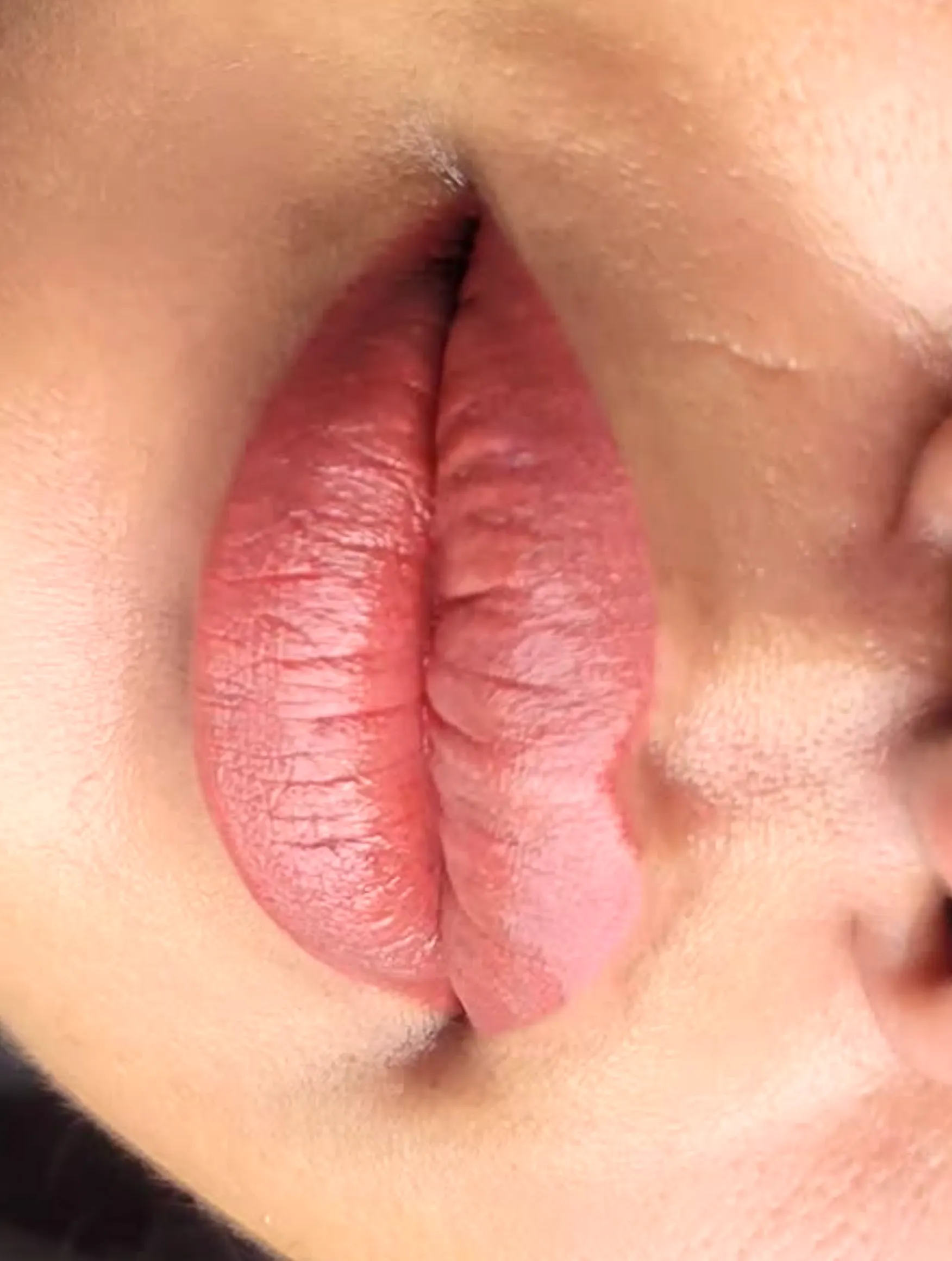
When clients ask me what to put on their lips after tattooing, I always start with the same advice: aftercare is everything. If you’ve just had your lips tattooed, you’re probably feeling equal parts excited and nervous. Whether it was a Lip Blush Tattoo, dark lip neutralisation or a full lipstick tattoo, one thing’s for sure: what you do after your appointment can make or break your results. In the first 7–10 days post-tattooing, your lips go through a critical healing process. What you put on them during this time isn’t just about comfort — it directly affects pigment retention, infection risk, and how smooth or patchy your final lip colour appears.
And let me tell you, after treating thousands of lips in my Melbourne studio with our signature lip tattooing technique, the clients who follow aftercare instructions to a tee always get better results. Every. Single. Time. Lip tattooing has grown massively in popularity, but without the right care, even the most flawless work won’t heal as intended.
Contents
- 1 The Golden Rule: Keep It Clean, Keep It Hydrated
- 2 Pro-Approved Products for Happy Healing
- 3 Healing Timeline: What to Apply and When
- 4 Common Mistakes to Avoid (Seriously, Don’t Do These)
- 5 What to Embrace and What to Avoid
- 6 Melbourne Conditions: What Your Lips Are Up Against
- 7 Maintenance Matters
- 8 Final Word from the Treatment Room
- 9 FAQs
The Golden Rule: Keep It Clean, Keep It Hydrated
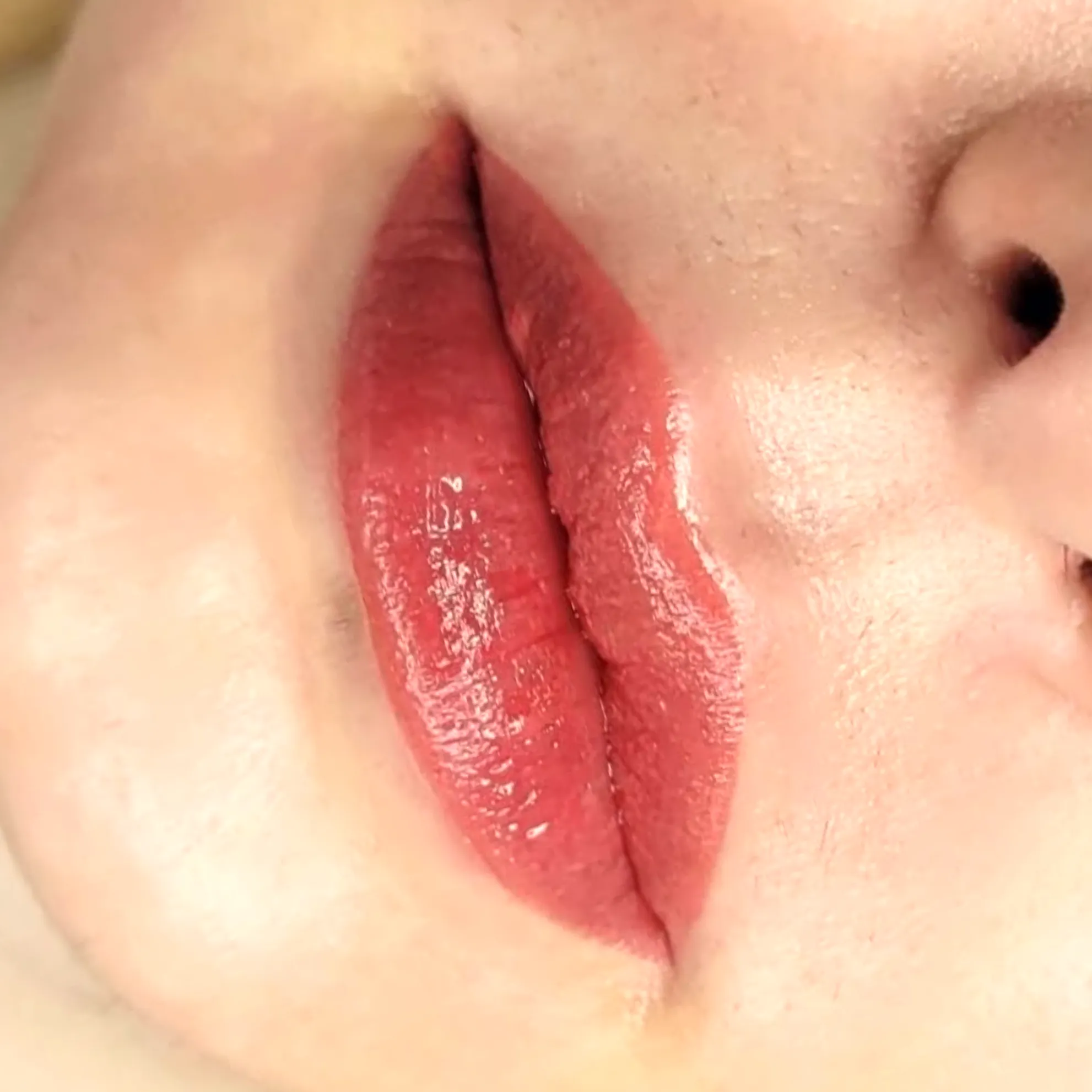
There are two goals in the first week after a Cosmetic Lip Tattoo or any semi-permanent makeup treatment: prevent infection and support gentle healing. That means keeping the area clean, slightly moisturised, and protected from irritants, especially on sensitive lip tissue where pigment implantation is still settling in.
Here’s what you need to know about which products actually work (and which ones to avoid like the dodgy lip balm at the bottom of your handbag).
Pro-Approved Products for Happy Healing
| Product Type | Recommended Option | Why It Works |
|---|---|---|
| Aftercare Balm | Bepanthen, Paw Paw Ointment (fragrance-free), or a tattoo-specific aftercare balm | Creates a protective barrier without clogging pores. Reduces dryness and flaking. |
| Antiviral Cream | Zovirax or prescription acyclovir (if prone to cold sores) | Helps prevent a breakout that can disrupt healing and cause pigment loss. |
| Sterile Saline Spray | Wound-care saline or packaged sterile spray (not contact lens solution) | Gently cleanses without stinging or disrupting pigment. |
| Lip Balm (post-scabbing) | Lanolips, Hurraw Unscented | Hydrates and nourishes after the peeling stage is done. |
Note: Avoid Vaseline or petroleum jelly in the early days. It can suffocate the skin and trap bacteria. Same goes for overly scented or coloured balms — they’re more likely to irritate freshly tattooed lips.
Healing Timeline: What to Apply and When
Let’s break it down day by day, so you’re not left wondering if you’re doing the right thing.
Days 1–2: Clean and Calm
- Dab lips gently with a sterile saline-soaked cotton pad 2–3 times per day.
- Apply a thin layer of your aftercare balm or Healing Balm with clean fingers or a cotton bud.
- If you’re prone to Cold Sores (Herpes Simplex Virus, HSV type 1), start your antiviral medication immediately. You can also support healing with L-lysine supplements (check the Lysine Table for dosage).
- Many clients who’ve recently had a lip blushing tattoo ask whether they can reapply balm constantly, and while moisture is great, smothering your lips too much can slow down the process.
Days 3–5: Flake Patrol
- Continue using your aftercare balm as needed. Expect some light flaking — don’t pick!
- If scabbing is lightning, apply balm more often to reduce tightness or itchiness.
- Use a cold compress or ice pack wrapped in clean gauze to relieve swelling.
- It’s during this stage that lip tattoos may look their worst — dull, patchy, or uneven. Trust the process.
Days 6–10: Transition Time
- Once flaking stops, swap to a hydrating, non-irritating lip balm.
- Avoid spicy food, kissing, hot drinks, makeup, or sun exposure until your skin is fully closed.
- By this point, your lip line tattoo should be softening into a more natural hue. Any unevenness typically blends out over the next few weeks.
Common Mistakes to Avoid (Seriously, Don’t Do These)
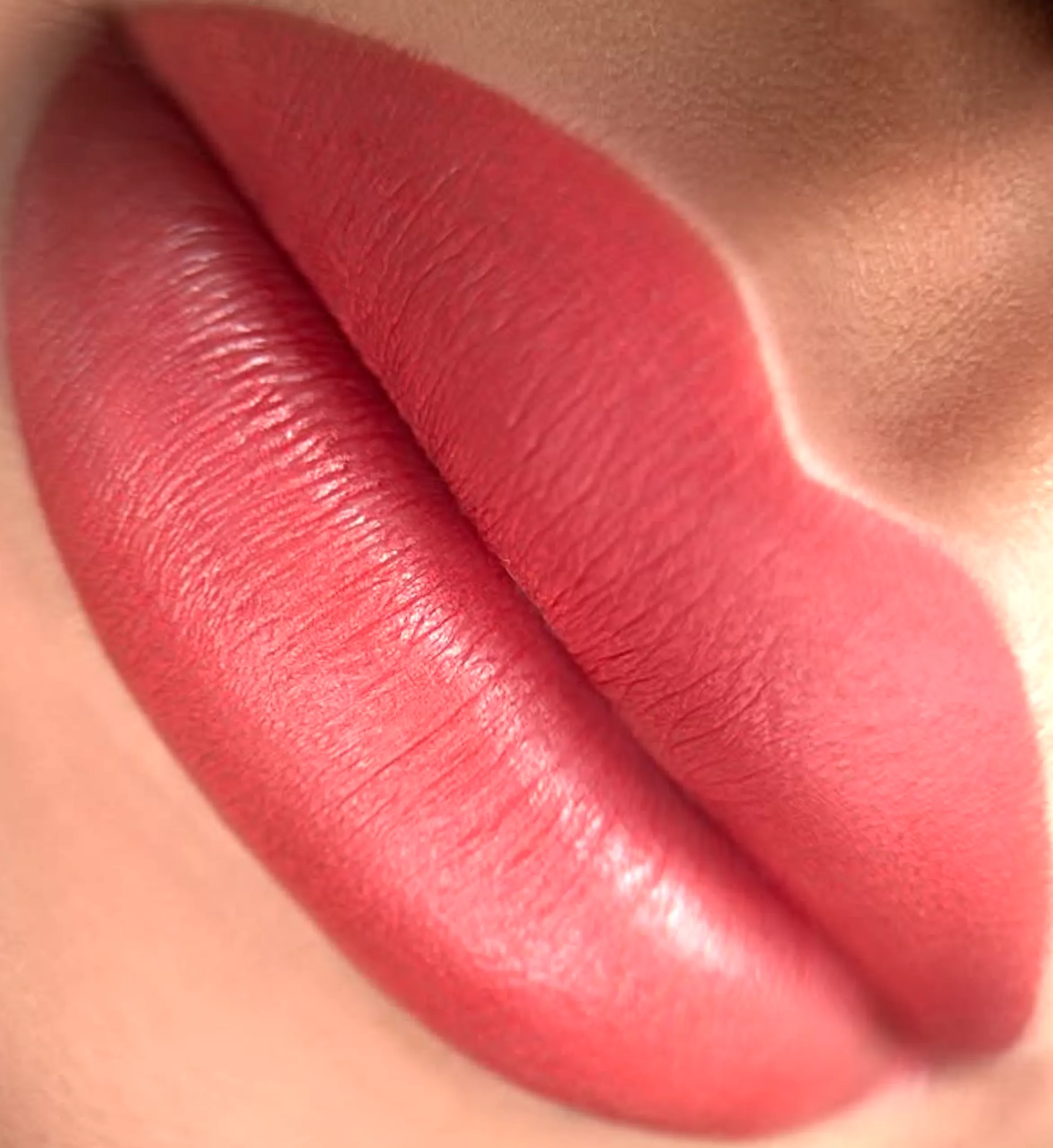
- Picking at scabs or flakes — this pulls out implanted pigment prematurely.
- Over-applying thick ointments — your lips need to breathe.
- Using active skincare nearby — avoid glycolic acid, AHAs, vitamin C or retinol.
- Skipping SPF once healed — sun exposure is the #1 pigment killer.
- Touching your lips with dirty hands — opens the door to infection and delayed healing.
We once had a client experience pigment loss after applying a natural lip balm containing citrus and peppermint — huge no-no during healing. Remember, the skin of the lip is ultra-thin and prone to allergic reaction or irritation, especially post-tattooing.
What to Embrace and What to Avoid
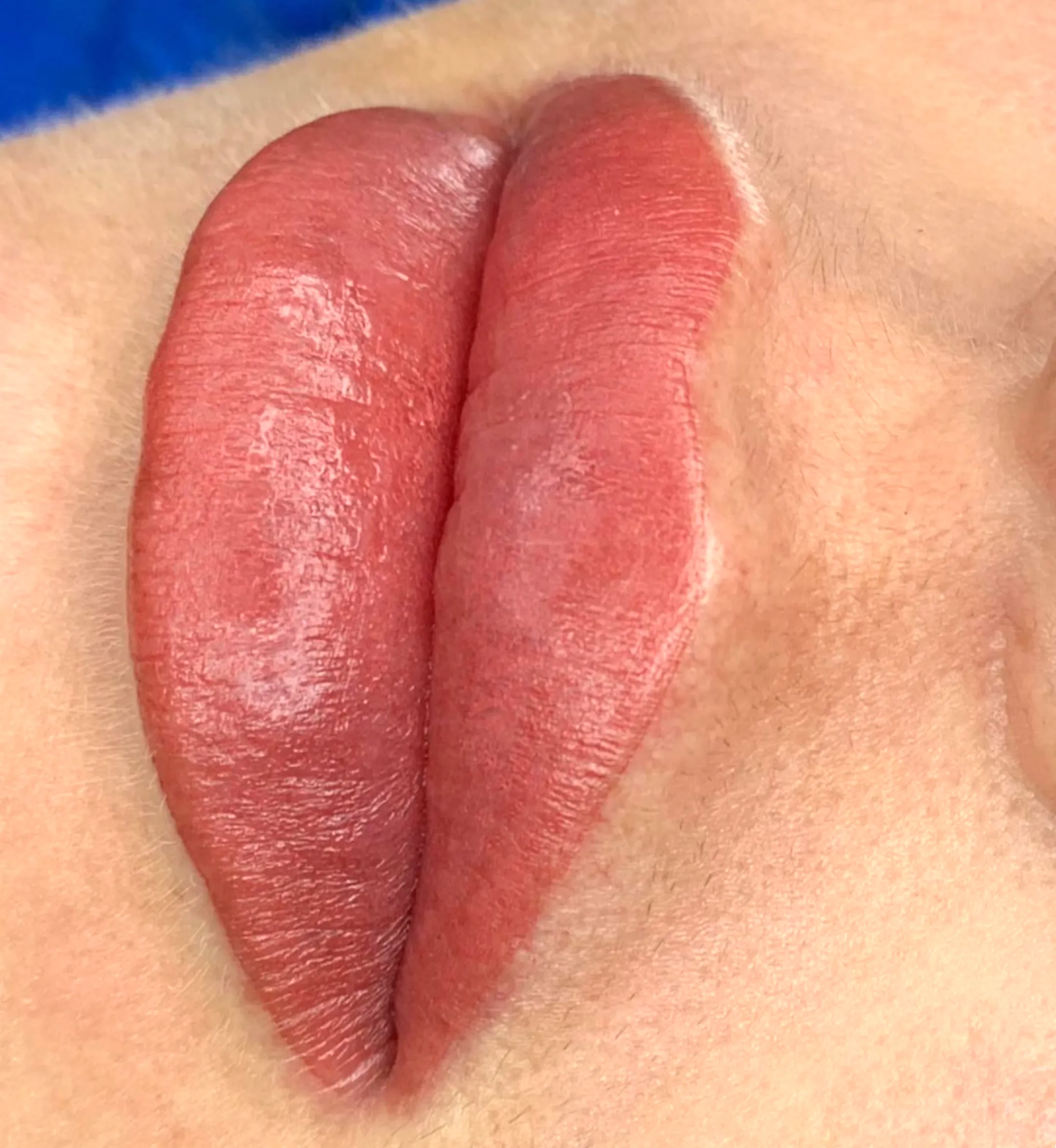
Knowing what’s in your aftercare ointment or tattoo balm matters. Here’s a quick cheat sheet:
Safe, healing-friendly ingredients:
- Panthenol (B5)
- Lanolin
- Candelilla wax
- Shea butter (refined only)
- Vitamin E (in small amounts)
- Castor oil (low %)
Irritants to avoid on fresh tattoos:
- Peppermint, menthol or camphor
- Citrus oils (lemon, orange)
- Synthetic fragrance
- Colourants or tints
- Petroleum jelly (early healing stage)
If you’re unsure, bring your product to your appointment. A trained cosmetic tattoo artist will happily review it. It’s particularly important for those undergoing multiple treatments, like combining lip tattoos with brow tattooing or eyeliner.
Melbourne Conditions: What Your Lips Are Up Against
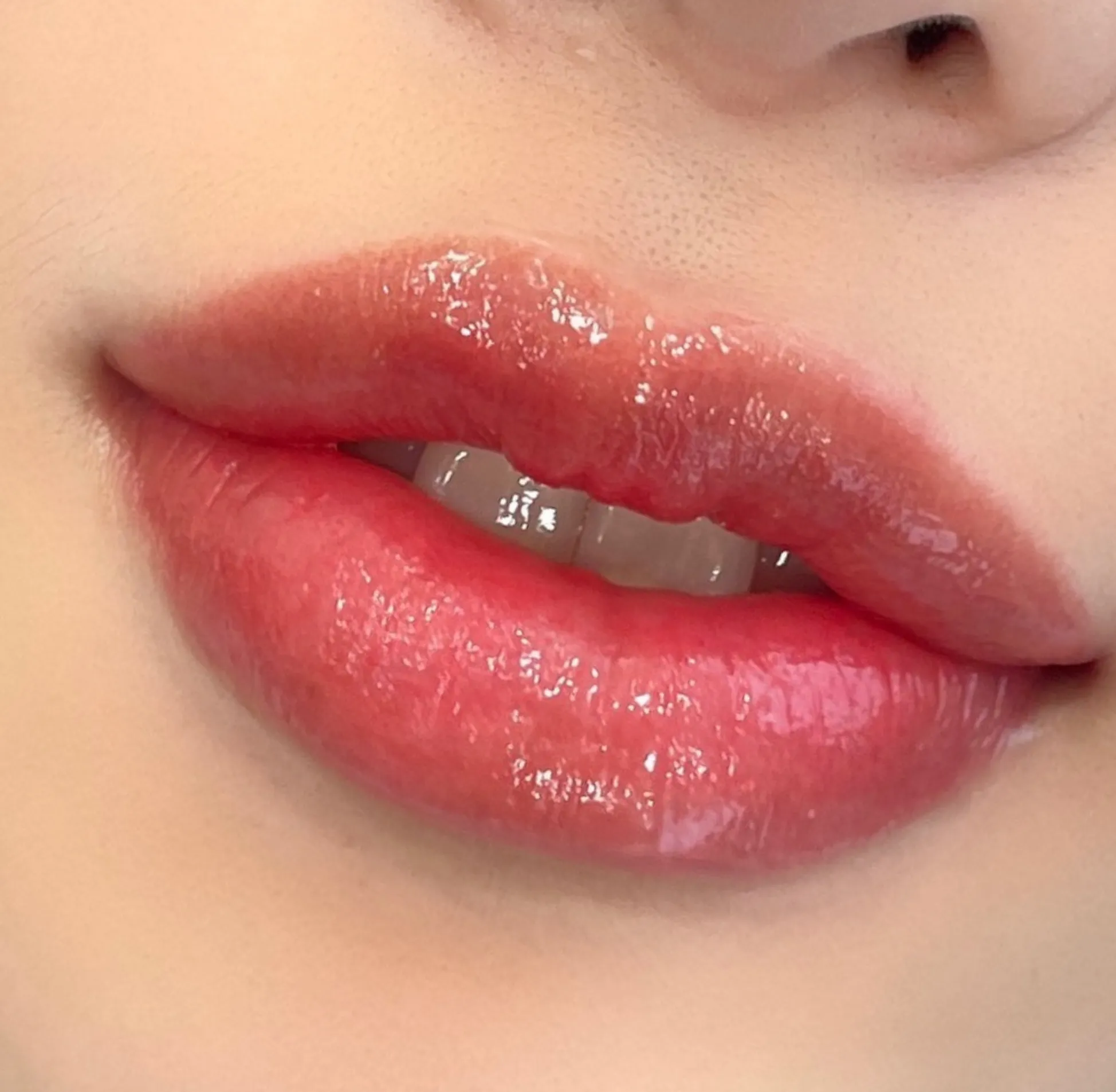
Melbourne’s dry winters, fluctuating humidity and over-airconditioned spaces can be tough on your lips. We always tailor our aftercare instructions based on your skin type, lifestyle and the season. Winter may call for extra hydration, while summer demands more sun protection and reduced exposure to UV rays — especially after lip blush tattooing.
The environment can also affect how your cosmetic lip tattoo heals — some clients may notice extra dryness if they work outdoors or cycle frequently. In those cases, I always recommend keeping a barrier balm on hand.
Cosmetic Tattoo Studio Face Figurati in Melbourne — with our signature lip tattooing technique, the clients who follow aftercare instructions to a tee always get better results.
Maintenance Matters
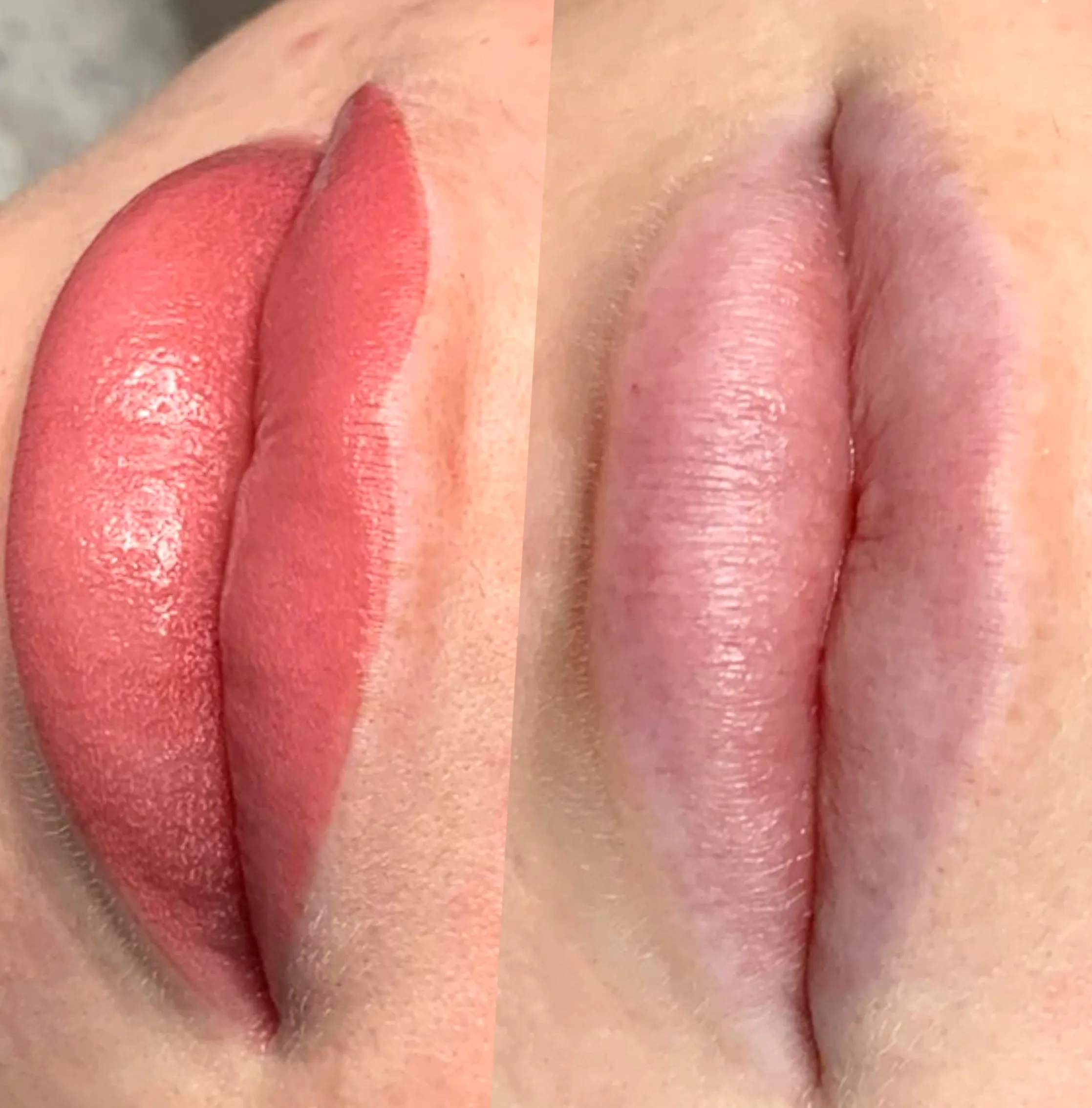
Once you’re fully healed (around week 4–8 depending on your skin type and Fitzpatrick Scale), here’s how to keep that colour:
- Weekly gentle exfoliation with a sugar scrub or soft toothbrush
- Daily SPF balm to prevent fading and protect natural pigment
- No chemical peels or laser treatments near the lip border for at least 6 weeks post-tattoo
- Touch-up or colour boost sessions every 12–18 months to maintain even tone and shape
- No blood thinning vitamins or omega oils during the healing stages (unless advised by your GP)
If you’re not sure if your colour has settled well or if the definition around your lip line has softened too much, a quick top-up can fix the crispness of your lip line tattoo.
Remember: the lip line, lip shape and colour retention all depend on how well you follow aftercare — during and after the tattooing process.
Final Word from the Treatment Room
The question “what to put on the lips after tattooing?” comes up every single week in my consults — and it’s a fair one. From the numbing cream we use pre-procedure to the final pigment implantation, every step impacts the final result. There’s a lot of conflicting info out there, but this isn’t the time for guesswork. Stick to professional advice, follow the healing process step by step and give your lip pigment the best shot at long-lasting colour stabilisation.
Lip blushing tattoo results can be amazing, but they rely just as much on your post-care as on the tattooing procedure itself.
FAQs
Can I use coconut oil on my tattooed lips?
Not during the initial healing stage. Coconut oil can clog pores and isn’t sterile. Save it once healing is complete.
When can I wear lipstick again?
Wait at least 10 days and only once all flaking is gone. Choose a clean, hydrating formula and avoid anything long-wear or matte. Stick to gentle lip sticks or lip pencils that won’t irritate the skin.
What if my lips feel tight or itchy?
That’s normal around days 3–5. Apply a thin layer of aftercare balm and don’t scratch or pick. You can also try applying a wrapped ice pack for a few minutes.
How do I know if something is wrong with my healing?
Redness, pus, swelling that gets worse after day 3 or blistering could be signs of infection or allergic reaction. These could be herpes simplex virus reactivation or keloid scarring — contact your artist or GP straight away.
Can I kiss during healing?
No for at least 7–10 days. The skin of the lip is fragile post-procedure, and you’re more susceptible to bacteria, Cold Sores or fever blisters linked to the Herpes Virus.