
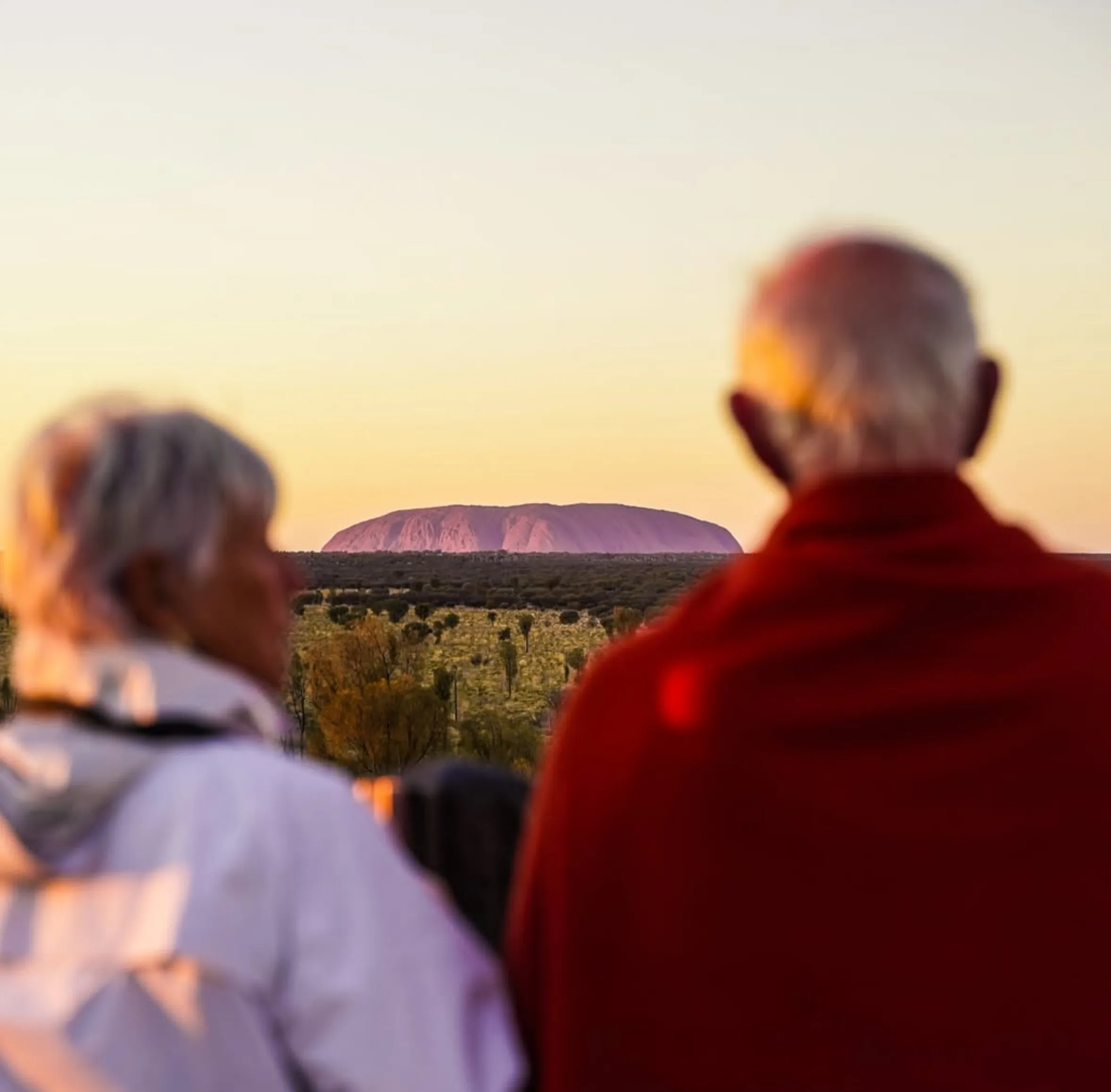
When you start planning a trip to the Red Centre, the question always pops up early: how much are tickets to Uluru-Kata Tjuta National Park? I remember the first time I drove down the Stuart Highway towards Yulara. I’d budgeted for fuel, a pack of fly nets and a few icy tinnies from the roadhouse fridge – but the park pass fee caught me off guard. So let’s cut the guesswork for you. In this guide, I’ll walk you through ticket prices, what’s included, how the money’s used and the best ways to plan your visit so you get maximum value from every dollar.
Contents
Current Entry Costs
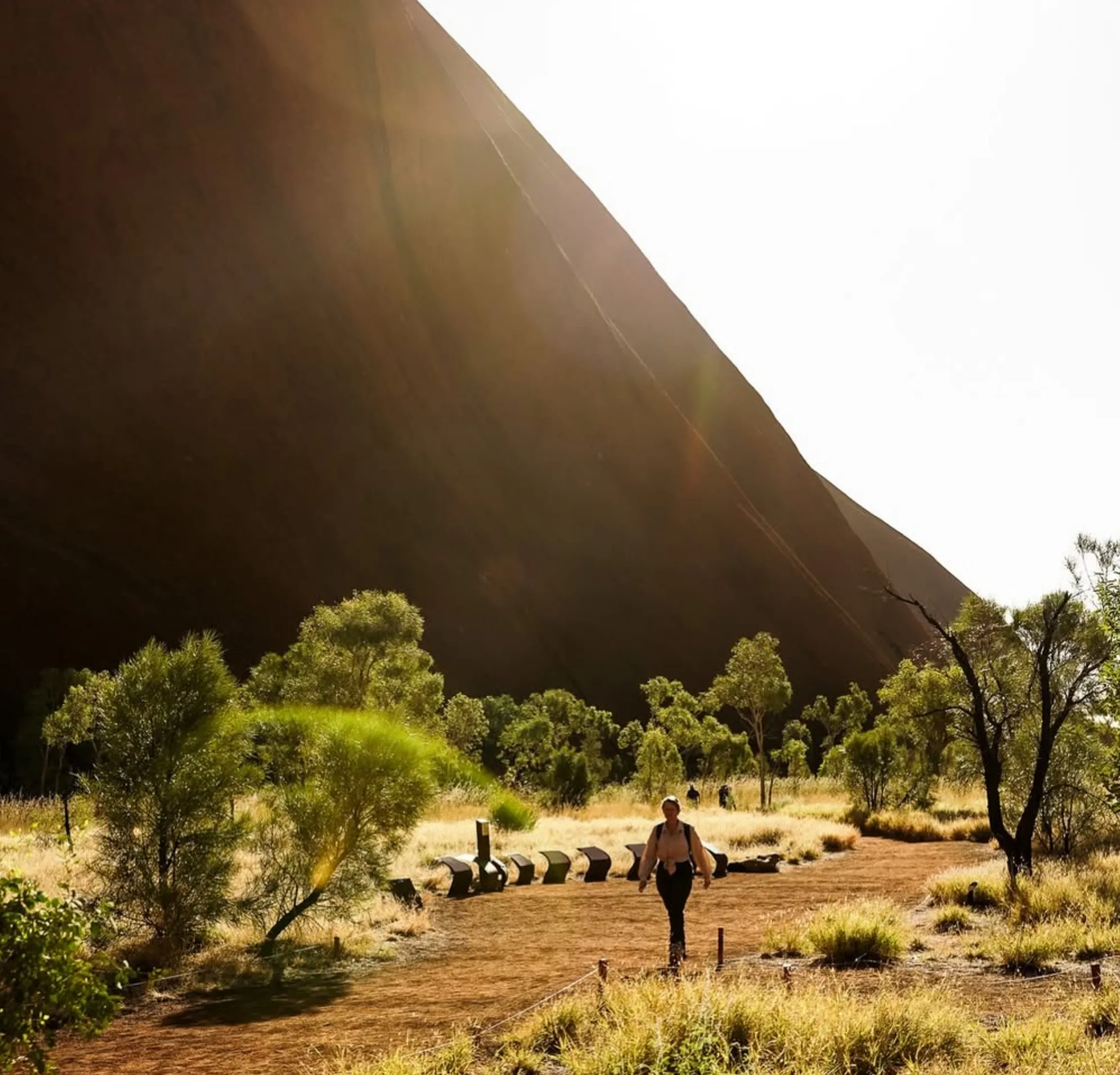
Park pass fees are easy to understand once you know where to look. The Parks Australia booking system issues a digital pass that you can buy online or at the entry station.
Standard Pricing (2025)
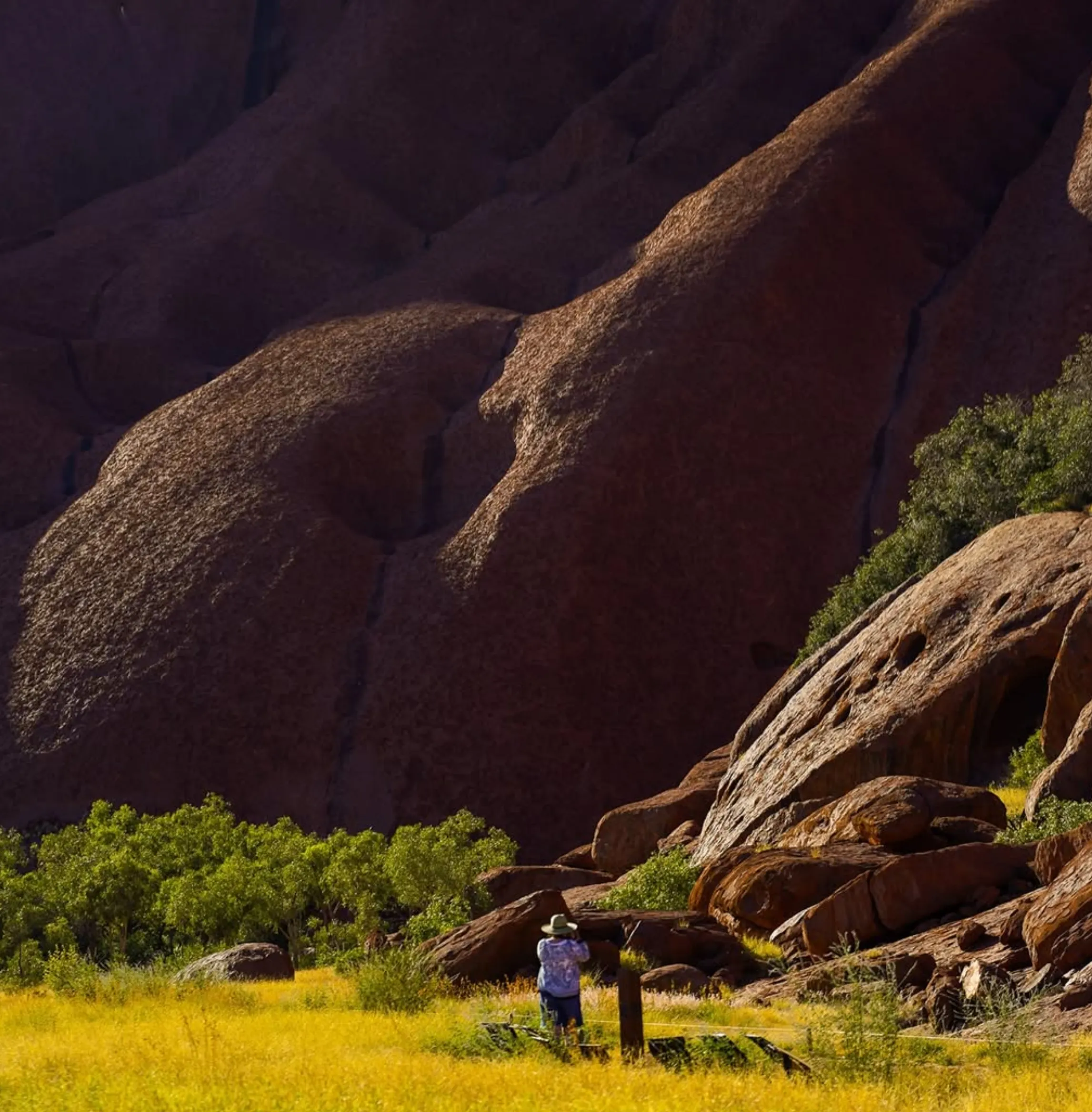
| Ticket Type | Price (AUD) | Validity |
| Adult | $38 | 3 days |
| Child (under 18) | Free | 3 days |
| Adult Annual Pass | $50 | 12 months |
| NT Resident Annual (per vehicle registration) | $109 | 12 months |
| Family Pass (2 adults + kids) | $76 | 3 days |
A 3-day pass is usually enough for most people, but if you’re going to hang around, the annual pass pays for itself. Note the park use fee structure hasn’t changed much in recent years – Parks Australia want the park to be accessible.
Why Your Ticket Matters
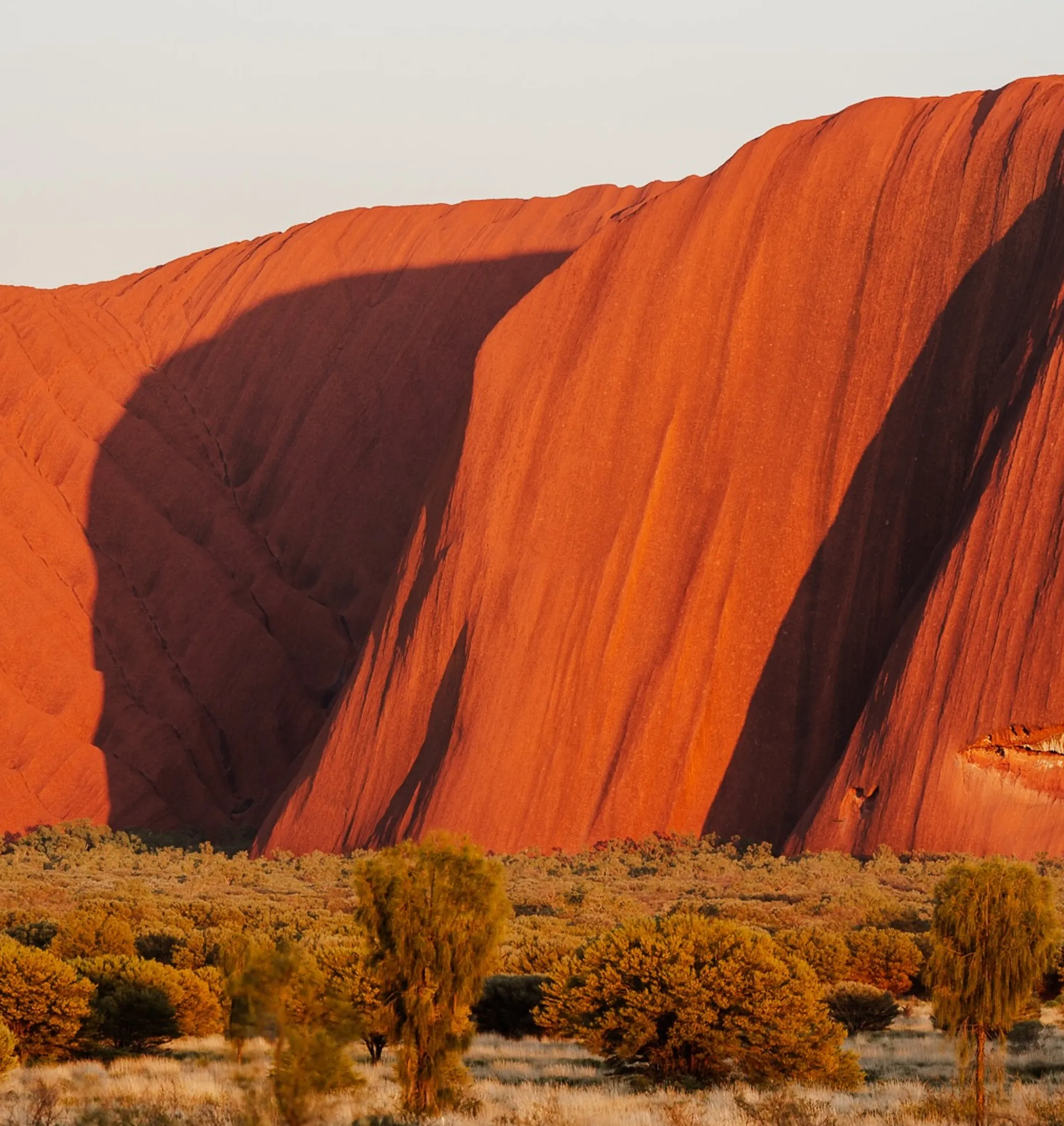
That entry fee isn’t just a piece of paper or a barcode on your phone. Your money goes towards cultural resources, ranger-guided walks, rock art protection and Traditional Owner programs. When I first toured with a small group here, one of the rangers explained how the fire program kept spinifex from swallowing sacred sites – a detail you won’t get from a brochure.
Get Your Pass Sorted
You can buy your park pass online in advance or at the entry gates. My advice? Buy online. Saves you queuing in 40-degree heat while the mozzies and bush flies circle. The digital parks booking system also means you don’t have to worry about losing a paper stub.
- Buy your pass online through Parks Australia
- Download the PDF receipt to your phone
- Screenshot it (reception can be patchy)
- Carry ID or a driver’s licence for verification
Seasonal Realities and Value for Money
Here’s the catch: a 3-day pass is great in the cooler months (May–September). You’ll actually use all three days. In the wet season (Nov–March), storms can close tracks and temps can hit 45°C. Nothing like melting thongs on hot bitumen to make you rethink your plans. If you’re travelling, then plan shorter visits and make sure the park is open.
Ways to Stretch Your Dollar

I’ve seen people make rookie mistakes – buying park passes they don’t use or forgetting kids under 18 are free. A few tips:
- Families: Don’t overpay. Kids don’t need tickets. Get a family pass if you’re more than 2 adults.
- Longer stays: Get the annual pass if you’ll be back.
- Locals: NT residents can cover the whole vehicle under one annual registration.
- Tours: Many tour operators include your park pass in the price. Companies like Autopia Tours often bundle entry with transport and guiding, so you’re not juggling extra payments.
- School groups: Often have separate concessions organised through the park’s booking system.
Other Costs to Consider
Uluru isn’t just about the ticket. Think fuel, food and accommodation – all of which cost more this far from major cities. In Yulara, even a loaf of bread will hurt. My trick? Stock up in Alice Springs if you’re driving down. Also, remember camping fees, scenic flights, cultural talks or sunset dinners are extra but worth it for the depth they add.
If you’re looking at an Uluru tour, factor in whether park entry is included. Many Uluru tours from Alice Springs, including the popular 2 day Uluru tour from Alice Springs, include it all. These packages are especially handy if you don’t want to deal with getting your own park pass. Some Alice Springs to Uluru tour options also include camping fees, cultural talks and scenic drives – saving you time and money.
A Cultural Investment
Every pass purchased is an investment in the joint management between Parks Australia and the Anangu. About 25% of the revenue goes to Traditional Owners and community programs. When I joined a ranger-led Mala Walk, the Anangu guide spoke about Tjukurpa (Dreaming Law). Knowing my fee was helping to protect cultural and natural values and keep those stories alive made the park pass mean so much more than just getting through the boom gate.
Ticket Prices 2025
Travel isn’t getting cheaper – but Uluru is steady. In 2025, international airfares to Australia rose nearly 8% compared to 2024, but Uluru’s park pass prices didn’t budge. That’s big: entry fees haven’t followed the inflation trend we’ve seen in other tourism sectors. For context, a 2025 Tourism Research Australia report found the average daily spend for visitors in the NT is around $230 per person, so the park pass is a tiny fraction of your budget.
Local Hacks for First-Timers
Over the years, I’ve learned a few tricks to make your visit easier:
- Visit the Cultural Centre and the interactive centre before you get to the rock – it sets the scene.
- Sunrise tickets are gold – get in early and grab a spot at Talinguru Nyakunytjaku.
- Don’t rush Kata Tjuta (the Olgas). That three-day pass lets you visit both sites.
- Bring at least 3 litres of water per person per day. Rangers check.
- Hire a fly net. Trust me.
- Respect drone use restrictions inside the park unless you have a special permit.
Planning Your Days
If you’re on the three-day pass, here’s how I’d suggest you use it:
- Day 1: Start at the interpretive centre, then the Mala Walk at Uluru, and sunset viewing in the evening.
- Day 2: Sunrise at Talinguru Nyakunytjaku, full day at Kata Tjuta, Walpa Gorge walk, afternoon scenic drives.
- Day 3: Uluru base walk or Segway tour, finish with Field of Light (extra ticket required).
If you’re joining one of the shorter Uluru tours, like a 2 day Uluru tour from Alice Springs, you’ll have a condensed itinerary that still covers sunrise, sunset and key cultural stops. These shorter Uluru tours from Alice Springs are perfect if you’re short on time but want the full experience.
Final Word from the Red Centre

So, how much are tickets to Uluru-Kata Tjuta National Park? Not as much as most people think – and worth every cent. For the price of a pub meal, you get access to one of the world’s great cultural landscapes, managed with care and respect by its Traditional Owners. Plan ahead, buy smart, and the park pass fee will fade into the background compared to the experience itself. Whether you self-drive or jump on an Alice Springs to Uluru tours, the memories will outlast the cost by a mile. And if you’re still unsure, drop me a line – I’m always happy to share fresh field notes from the desert.
Author: Paul Beames
FAQ
Can I buy my Uluru-Kata Tjuta pass at the gate?
Yes, but buying online through the park’s booking system saves time and avoids queues in the heat.
Do kids need a ticket?
No, children under 18 enter free with a paying adult or family pass.
Is my park pass included in tour packages?
Often yes – check the inclusions with your tour operator before booking.
Can I enter the park multiple times with one pass?
Yes, during the validity period (3 days or 12 months, depending on your pass).
Where does the entry fee money go?
Funds support conservation, ranger-guided walks, cultural talks, and Anangu community projects that protect cultural and natural values.