
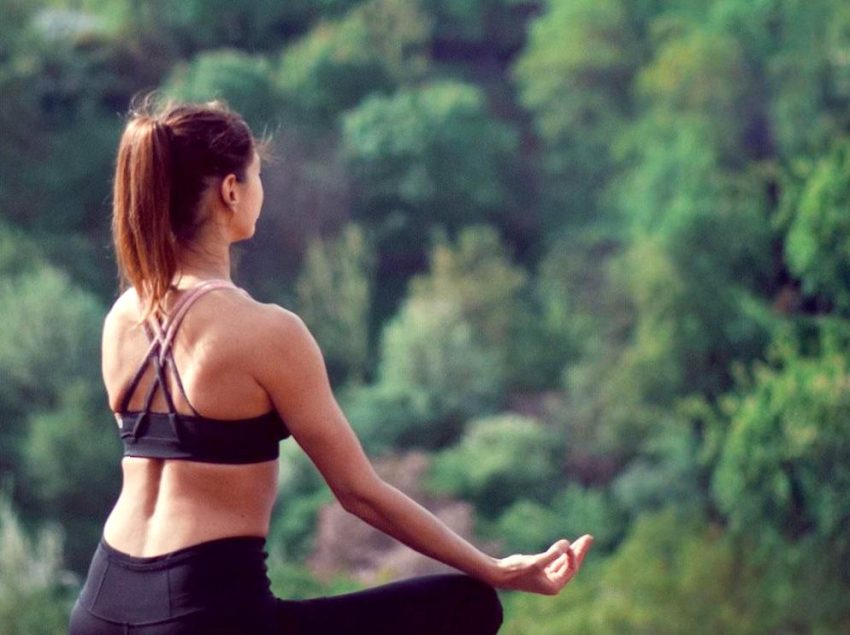
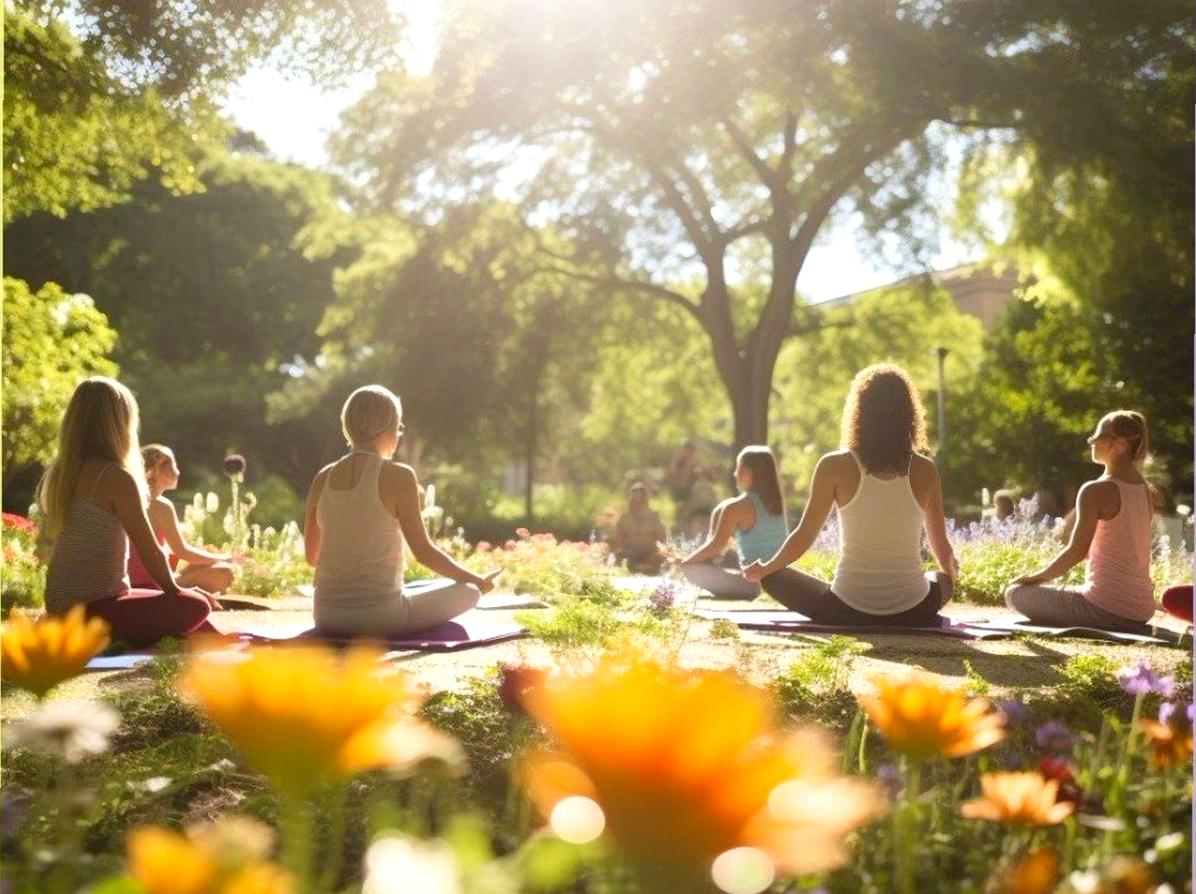
Guided meditation in nature combines the mindfulness of meditation with the serene beauty of the outdoors, offering a unique opportunity to rejuvenate both mind and body. When you immerse yourself in natural surroundings while following a guided meditation, you’re able to enhance relaxation, reduce stress, and deepen your connection to the world around you. This practice not only promotes mental clarity but also fosters a sense of peace that can be hard to achieve in urban environments. In this article, we will explore the benefits, various practices, and tips for experiencing guided meditation in nature.
Contents
Benefits of Guided Meditation in Nature
Engaging in guided meditation outdoors can have profound effects on overall well-being. The fresh air, natural light, and soothing sounds of nature are instrumental in creating a calming atmosphere conducive to deep relaxation. Here are some of the key benefits:
-
- Reduces Stress: Nature has a unique ability to lower cortisol levels, the body’s stress hormone. When combined with meditation, this effect is amplified, leading to significant stress reduction.
- Enhances Mood: Spending time in nature boosts serotonin levels, the neurotransmitter associated with feelings of happiness and well-being. Guided meditation helps to align these feelings with focused intention.
- Improves Focus: Disconnecting from digital distractions and engaging in nature fosters mental clarity and improves concentration.
- Encourages Mindfulness: Guided meditation in nature encourages greater mindfulness, helping practitioners stay present in the moment and appreciate the beauty around them.
These benefits combined make for a powerful practice that not only provides immediate relaxation but can also contribute to long-term mental health improvements.
Setting the Scene for Your Meditation
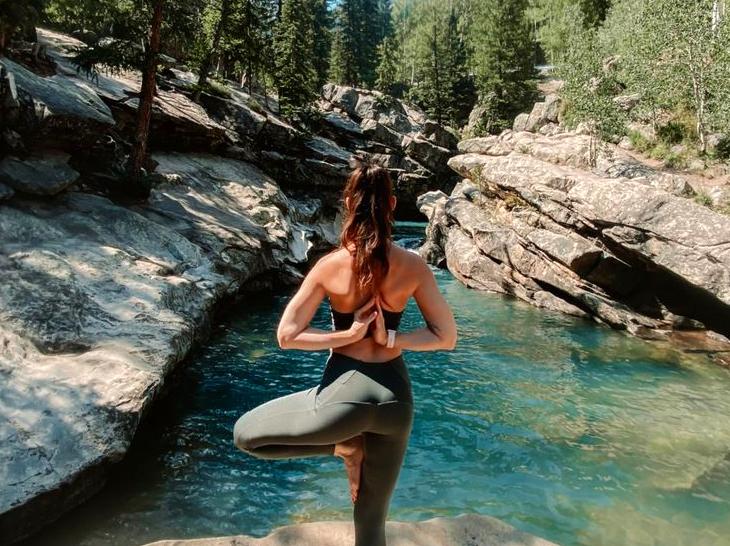
To effectively practice guided meditation in nature, choosing the right environment is crucial. Select a spot that resonates with you—this could range from a quiet park to a secluded forest or serene lake. Here are a few tips to set up your meditation space:
-
- Choose a Comfortable Spot: Look for a place that feels inviting, whether it’s a patch of grass, a cozy bench, or a soft spot under a tree.
- Avoid Crowded Areas: The goal is to find a location where you can minimize distractions. Look for quieter times to visit popular spots.
- Consider Surroundings: Pay attention to the sensory experiences around you—listen to bird songs, observe rustling leaves, or feel the breeze.
- Be Mindful of Weather: Ensure that you pick a day with comfortable weather to enhance your experience. A pleasant ambiance enriches the meditation practice.
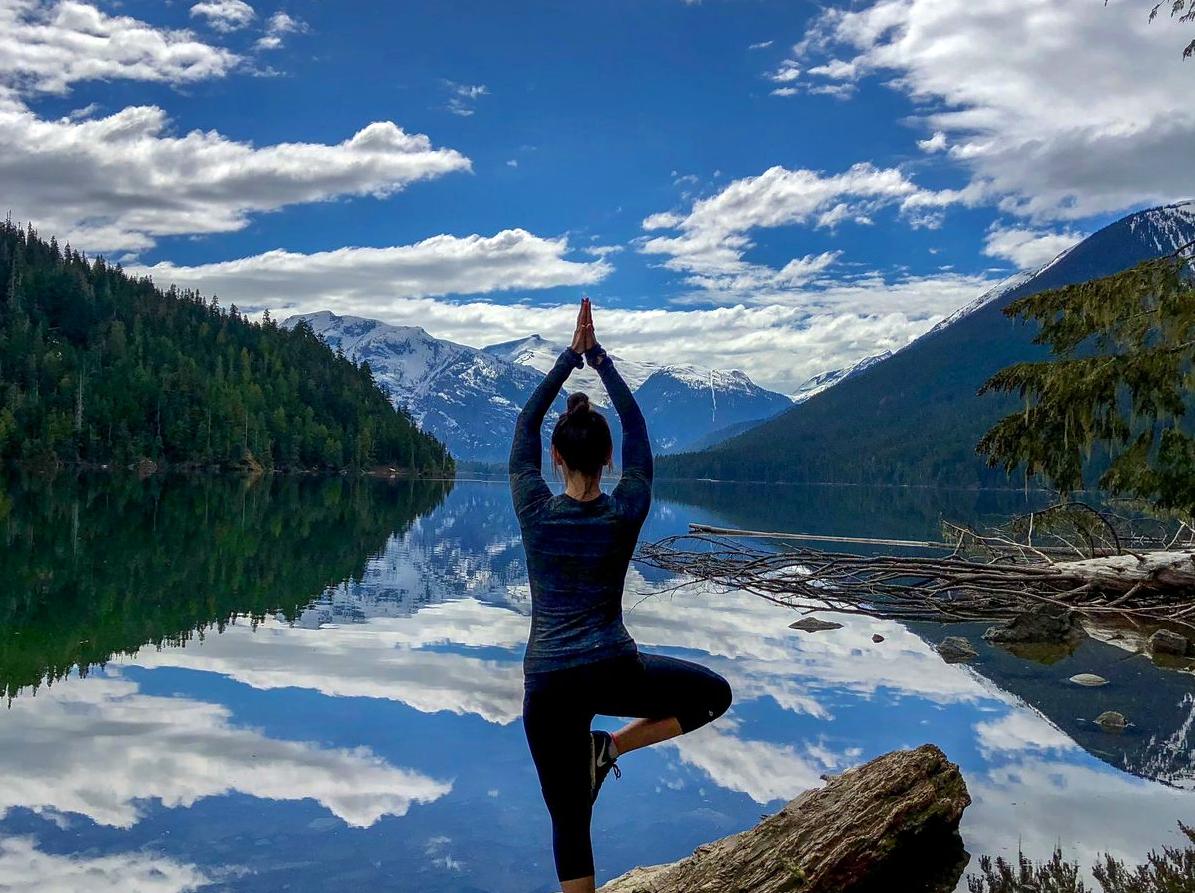
By carefully selecting your meditation spot and being aware of the environment, you can enhance your guided meditation experience and deepen your connection to nature.
Practicing Guided Meditation
Once you’ve chosen the perfect location, it’s time to engage in guided meditation. There are various resources available—mobile apps, online videos, or even local classes that can lead you through a meditation tailored for outdoor settings. Consider the following steps for a rewarding experience:
-
- Find Your Breath: Start by taking a few deep breaths. Inhale slowly through your nose, allowing your lungs to fill, and exhale through your mouth.
- Focus on Nature: As you settle in, pay attention to the scents of the earth, the colors of the landscape, and the sounds around you. Allow these elements to ground you.
- Use Guided Meditation Resources: Play a guided meditation track or use an app designed for outdoor meditation. Follow along with the instructions, allowing your mind to flow with the speaker’s voice.
- Let Go: Allow yourself to be fully present in the moment. Let go of any distractions and immerse yourself in the beauty of the experience.
By following these steps, you can create a fulfilling meditation practice that nurtures both your mind and spirit amidst nature’s beauty.
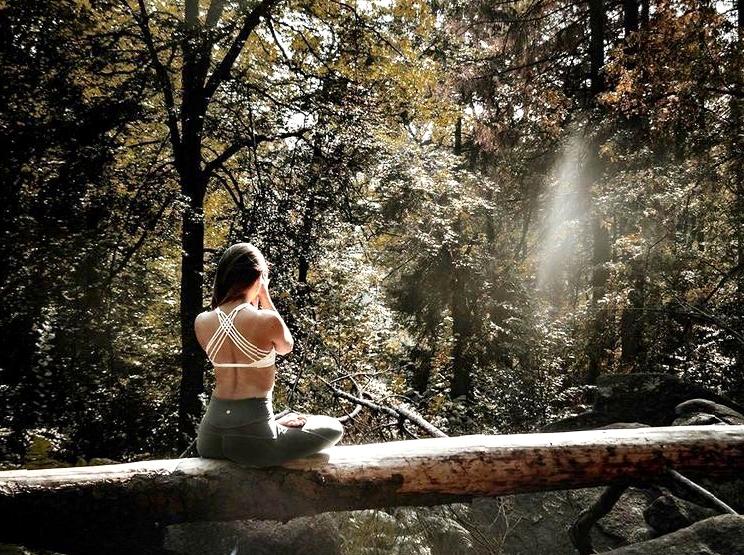
Integrating Guided Meditation into Your Routine
To reap the long-term benefits of guided meditation in nature, consider integrating it into your regular routine. Consistency is key when it comes to meditation practice. Here are some tips to help you incorporate this meditative ritual into your life:
- Schedule Regular Sessions: Dedicate specific days and times for your outdoor meditation practice. Treat it as a vital appointment for your well-being.
- Explore Different Locations: Variety can enhance your experience. Rotate between parks, gardens, beaches, or other natural settings.
- Invite Companions: Meditation can be enjoyable in groups. Invite friends or family to join you, which can add a social element to your experience.
- Reflect on Your Experiences: Keep a meditation journal to track your feelings and thoughts after each session. This practice may reveal patterns and insights over time.
By thoughtfully integrating guided meditation in nature into your life, you can cultivate a sustained practice that enhances your mental and emotional health.
Conclusion
Guided meditation in nature presents a remarkable opportunity to harmonize your inner self with the world outside. By choosing the right environment, engaging in mindful practices, and integrating this into your routine, you can experience profound benefits that promote relaxation, improve mood, and enhance overall wellness. Immersing yourself in nature while meditating allows you to reclaim your peace amidst the chaotic modern world, offering a sanctuary for both your mind and body. Start seeking out moments of tranquility in the great outdoors, and let guided meditation enrich your life in transformative ways.
FAQs
You can practice various forms of meditation in nature, including mindfulness meditation, guided visualization, and even walking meditation. Each style can take advantage of the serene surroundings to deepen the experience.
2. Do I need any special equipment for outdoor guided meditation?
No special equipment is necessary, but having a comfortable mat or blanket to sit on can enhance the experience. You may also choose to bring headphones if you’re using a guided meditation app.
3. Is guided meditation in nature suitable for beginners?
Absolutely! Guided meditation is particularly suitable for beginners, as the guidance helps focus the mind and navigate any distractions present in a natural setting.
4. How often should I practice guided meditation in nature?
For optimal benefits, aim for at least once a week. However, the frequency can depend on personal preference and availability. Practicing more frequently can deepen the experience.
5. Can guided meditation in nature help with anxiety and stress?
Yes, many practitioners find that combining nature with guided meditation significantly reduces anxiety and stress levels. The tranquil environment and focused practice create a powerful remedy for mental unrest.