
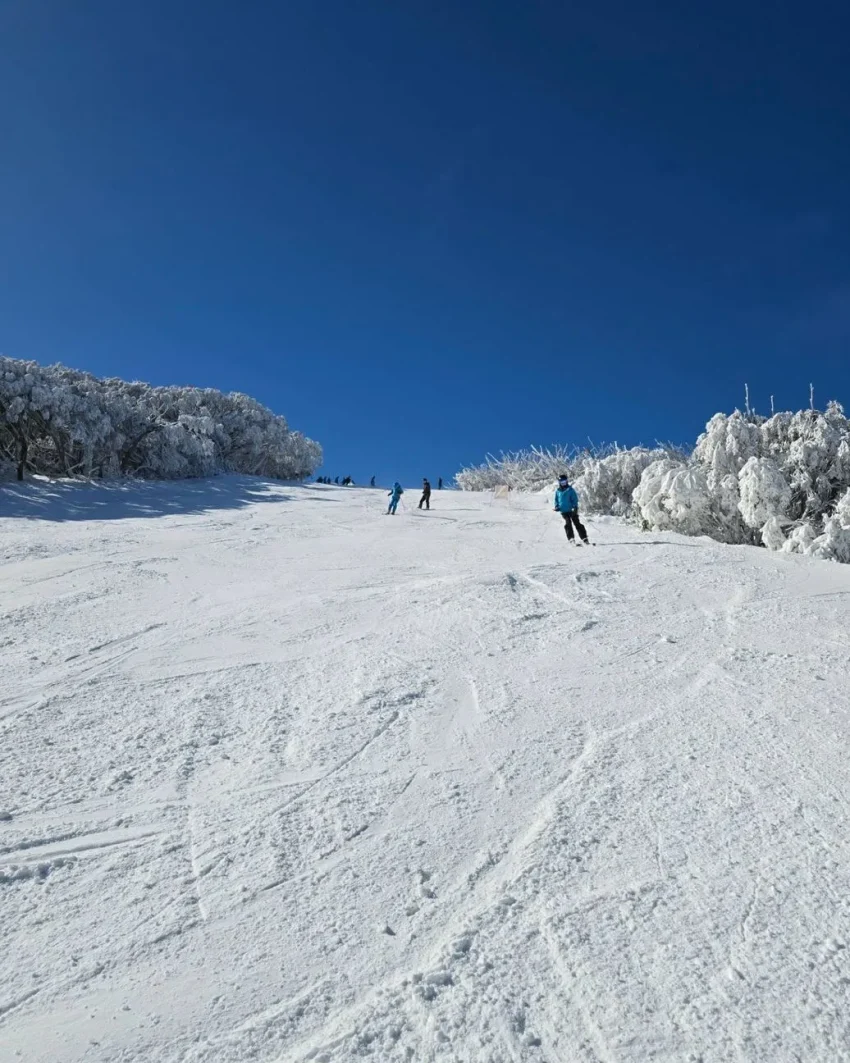
Let’s get one thing straight: skiing in Australia isn’t exactly known as a budget pastime. Between lift tickets, ski hire, equipment hire, and accommodation that isn’t older than your skis, the costs can rack up faster than a snowplough on a bluebird morning. But if you time it right — and I mean really right — you can carve through powder without slicing through your savings.
So, what’s the cheapest month to go skiing in Australia? Short answer: September. Long answer? Let’s dig in.
Contents
Best Time to Ski on a Budget: September
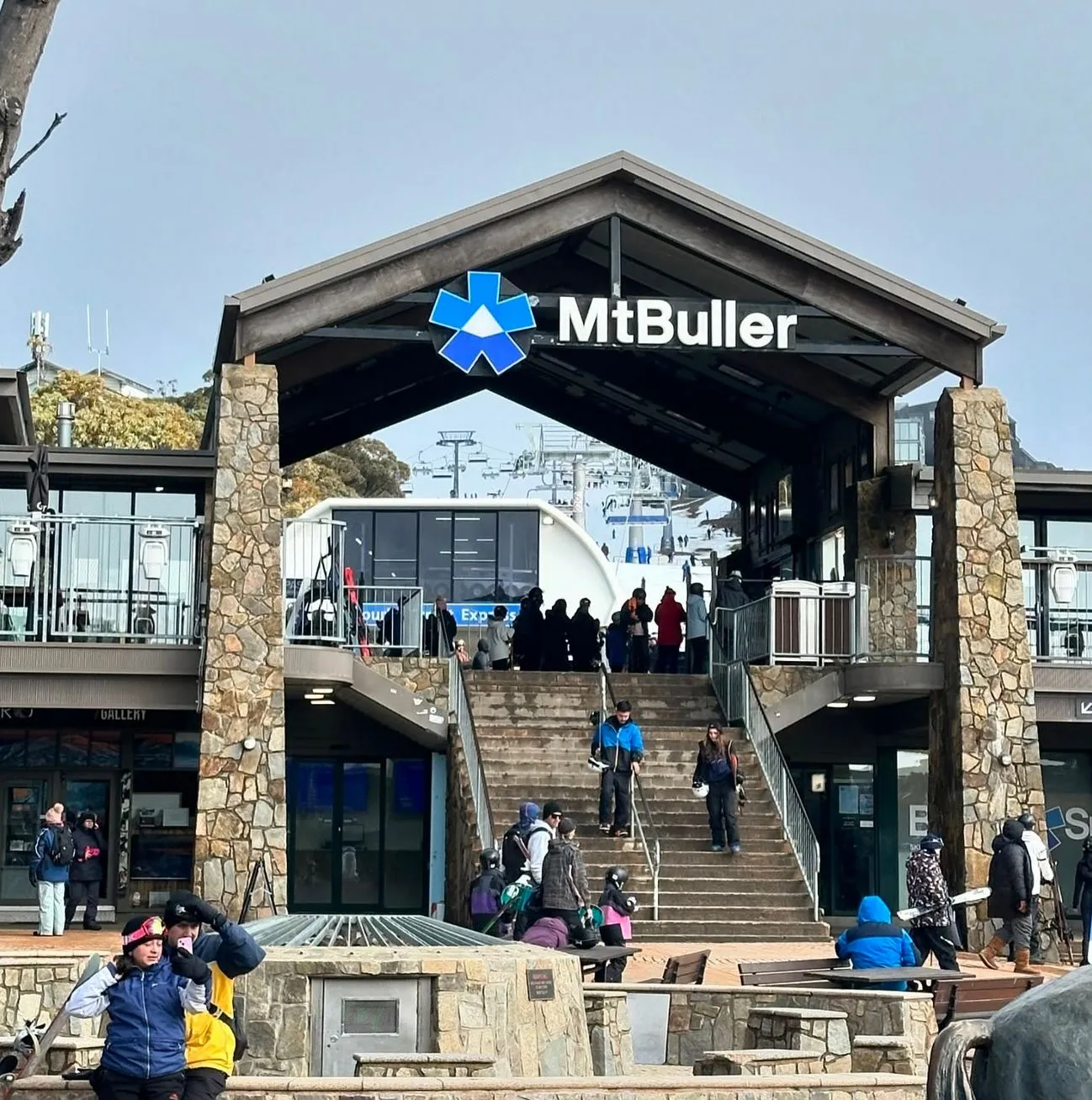
By the time September rolls around, the snowfields have already had their peak season frenzy. School holidays? Over. Prices? Dropping. Conditions? Surprisingly decent, especially in early September.
Here’s why I often recommend September for skiing holidays on a budget:
- Cheaper Accommodation – Ski resorts, outlying resort villages, and Airbnb spots slash their nightly price after August.
- Discounted Lift Tickets – Many resorts offer ski packages with shoulder season specials or multi-day ski holiday deals.
- Smaller Crowds – No need to queue for the ski lift or battle for space in the drying room.
- Warmer Weather – It’s still cold enough for fresh snowfall, but warm enough to skip the thermal undies.
- Spring Snow Perks – You might get corn snow, which is ideal for cruisy late-morning runs.
- Plenty of Space – Great for families or seasoned skiers wanting a more relaxed ski season vibe.
I’ve scored $50 lift tickets at Perisher in the first week of September — half the price of mid-July. And Thredbo’s been known to run “Spring Pass” promos with big discounts. If you’re coming from further afield, some tour providers like Autopia Tours even include side stops to places like Canberra or the Snowy Hydro Discovery Centre before heading up to the slopes.
If you’re short on time or just testing the snow scene, a one day snow trip Melbourne to Mt Buller or Lake Mountain can give you a taste of the slopes without the overnight costs.
Is September Snow Still Worth It?
Good question. And the answer? Depends on the year.
Thanks to Australia’s unpredictable natural snowfall, September skiing is a bit of a gamble. But if the winters have solid snowfalls and August hasn’t been too warm, you’ll usually find decent snow coverage into the first two weeks of September.
In 2022, for example, we had a cracker of a winter season that stretched well into late September. I was skiing fresh powder at Falls Creek on the 17th. No joke.
That said, if it’s been a light season, lower elevation resorts like Mt Baw Baw and Mt Buffalo might start thinning out early. Stick to higher-altitude resorts like:
- Perisher (NSW) – One of the top altitude resorts, with better longevity due to elevation and snowmaking.
- Thredbo (NSW) – Steeper terrain but decent spring snow coverage, especially on the upper slopes.
- Falls Creek (VIC) – Beautiful alpine views and usually decent snow base into early spring.
- Hotham (VIC) – High altitude, fantastic snow and more reliable coverage later in the season.
Nearby attractions like Lake Jindabyne and the Yarrangobilly Caves are perfect for a non-ski day. Some Autopia Tours itineraries include a mix of ski days and natural wonders like these, making it easy to stretch your trip without stretching your budget.
Save Big on September Ski Trips
Let me walk you through how I’ve done budget ski holidays without compromising on fun (or thermals):
1. Book Late, Not Early
Forget the “book six months ahead” advice — for September, booking during quiet weeks can actually pay off. Many lodges drop their nightly price in August when they realise rooms are still empty.
2. Go Midweek
Ski midweek (Monday to Thursday) for the best ski holiday deals on lifts and beds. Weekends in the snowfields are still an expensive time, even in spring.
3. Skip the Resort Village
Stay in nearby towns like Jindabyne (for Perisher/Thredbo) or Harrietville (for Hotham) and use public transport or drive up. You’ll save hundreds.
4. Pack Your Own Food
Dining costs in resort cafes and restaurants are a ripper way to burn cash. Bring your own snacks and lunches — or boil the billy in the car park.
5. Hire Gear in Advance
Use ski hire shops in towns before the mountain — it’s often 30–50% cheaper than on-site hire.
If you’re joining a group adventure with Autopia Tours, they often include equipment hire and ski lift passes in their packages — one less thing to sort out.
A Realistic Budget for Spring Skiing
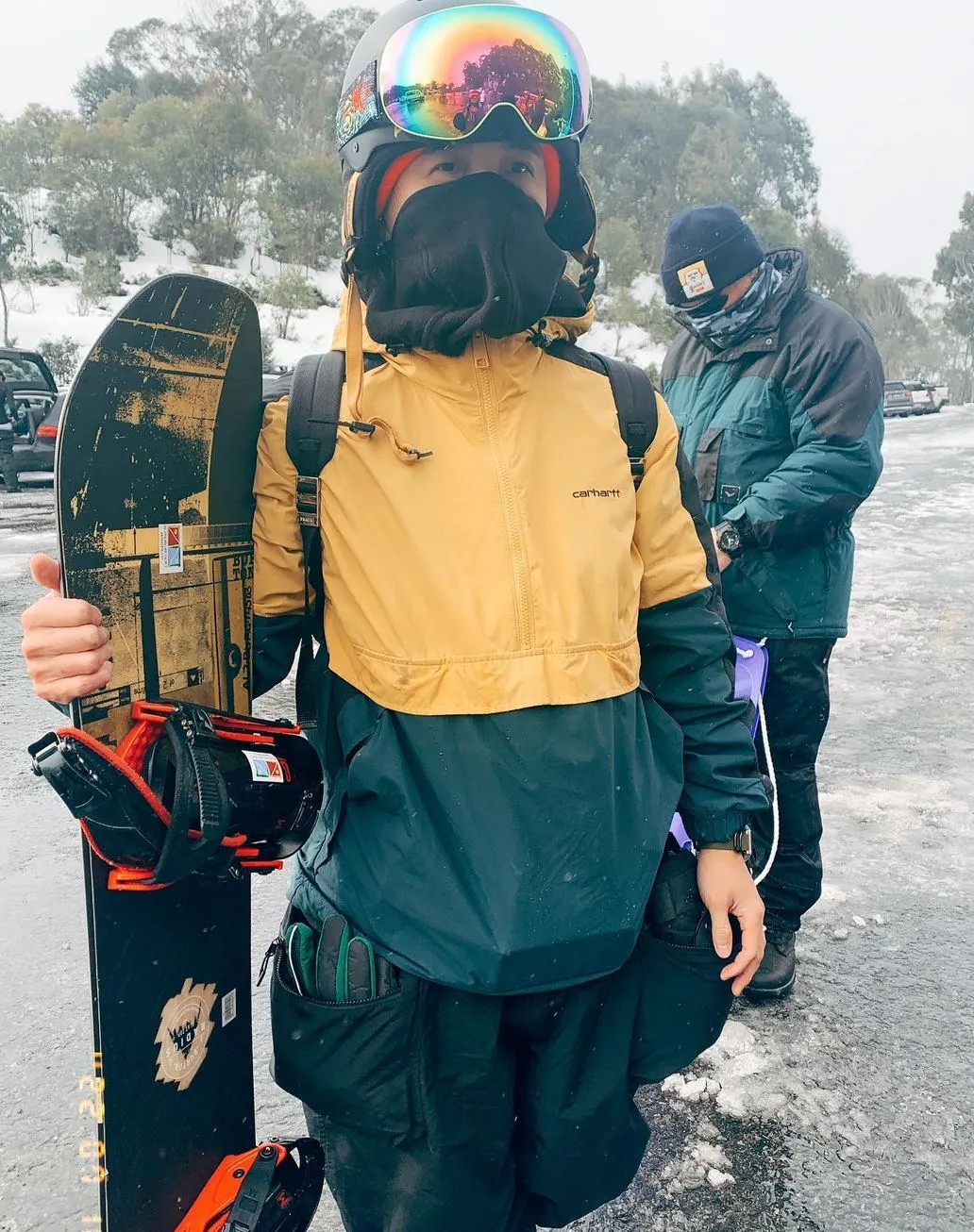
Here’s a breakdown from one of my recent early-September family ski holidays to Falls Creek, travelling solo from Melbourne:
| Expense | Cost (AUD) |
|---|---|
| Petrol (return trip) | $90 |
| Accommodation (2 nights) | $220 |
| 2-Day Lift Tickets | $180 (Spring Deal) |
| Ski Hire (off-mountain) | $80 |
| Food & Supplies | $60 |
| Total | $630 |
Compare that to a mid-July weekend — prime ski season — where the same trip can run well over $1,000. Timing is everything, mate.
Worst Times to Ski on a Budget
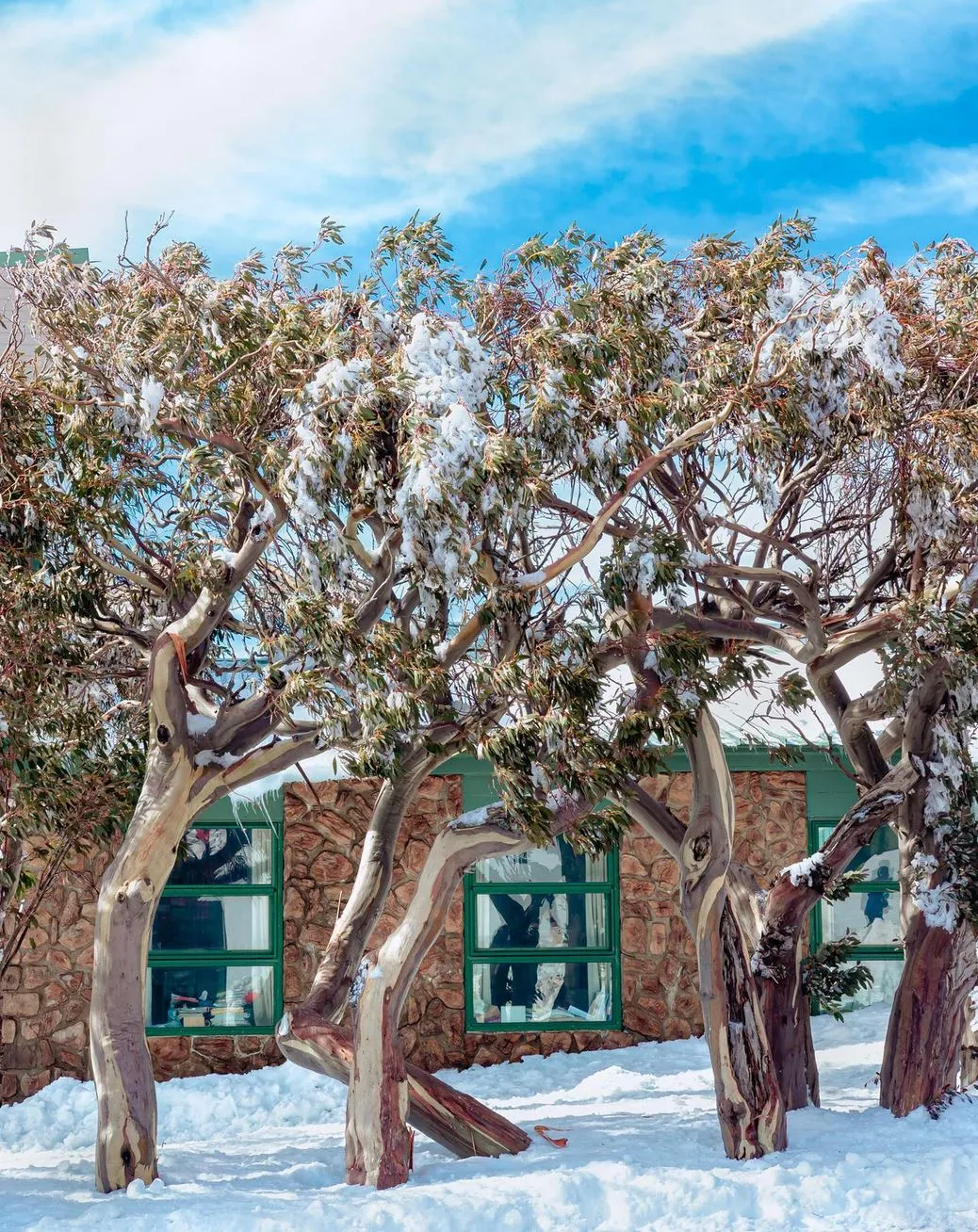
Avoid July at all costs — it’s school holiday peak season and the most expensive time of the winter season. You’ll be packed in like sardines, paying top dollar for lifts, digs, and dining.
Late June can sometimes be the cheapest time, but snow coverage is patchy unless there’s been early fresh snowfall. Risky if you want decent skiing.
August is a favourite time for seasoned skiers and advanced skiers chasing the best powder, but also peak season pricing. Great if you’ve got deep pockets — but this blog’s for the budget-friendly types.
Extra Tips for Spring Ski Trips
- Layer Smart – Mornings can still be icy, but afternoons are often warm enough to ski in a hoodie.
- Wear Sunscreen – Spring sun + snow reflection = cooked Aussie nose.
- Start Early – Snow gets slushy by mid-arvo. Hit the ski lift early.
- Check Snow Reports – Don’t assume there’ll be snow — always check the forecast and webcams.
- Bring Board Games – Long nights and extra downtime are lovely times for family bonding after a day on the slopes.
- Enjoy Additional Activities – Try ice skating, mountain biking (where allowed), or sipping hot chocolate with epic views.
If you’re building your snow trip into a longer journey, look into multi-stop options that combine skiing with nearby attractions. Places like Kosciuszko National Park or even Canberra’s museums can easily slot into a longer route — or tack on a one-day snow trip Melbourne style to get a second round of snow.
Final Word
Skiing in Australia doesn’t have to mean selling a kidney. If you’re savvy with your timing, flexible with where you stay, and not fussed about peak-season powder days, September is your golden ticket to affordable turns.
Got a September ski hack I missed? Drop it in the comments — I’m always keen to add fresh tips to the spring snow survival guide.
Or, if you want help planning a cheap Aussie skiing holiday, reach out — I’m happy to share my full itinerary, gear checklist, or even my favourite hot chocolate stops at Val d’Isere (kidding… unless?).
And if you’re looking for a relaxed group option with transport and extras sorted, Autopia Tours runs some ripper spring snow adventures worth checking out.
FAQ
Is September too late to ski in Australia?
Not always! Many ski resorts stay open until mid or even late September, especially after good winters. Just aim for early September for best snow coverage.
What’s the best budget ski resort in Australia?
Selwyn Snow Resort (NSW) is known for cheaper resorts and family-friendly vibes, though it’s at a lower altitude. For value + fantastic snow, Falls Creek is an excellent choice.
Are lift tickets cheaper in September?
Yes — many ski resorts offer shoulder season ski holiday deals, multi-day discounts, or spring ski packages to fill remaining spots.
Can beginners ski in September?
Absolutely. Spring skiing is great for learners — softer snow, fewer crowds, and less intimidating terrain. Plus, ski lessons are often discounted during quiet weeks.
Do I need chains in September?
You still might. Always carry chains if you’re driving to alpine resorts. Check resort requirements and road conditions before you go.