
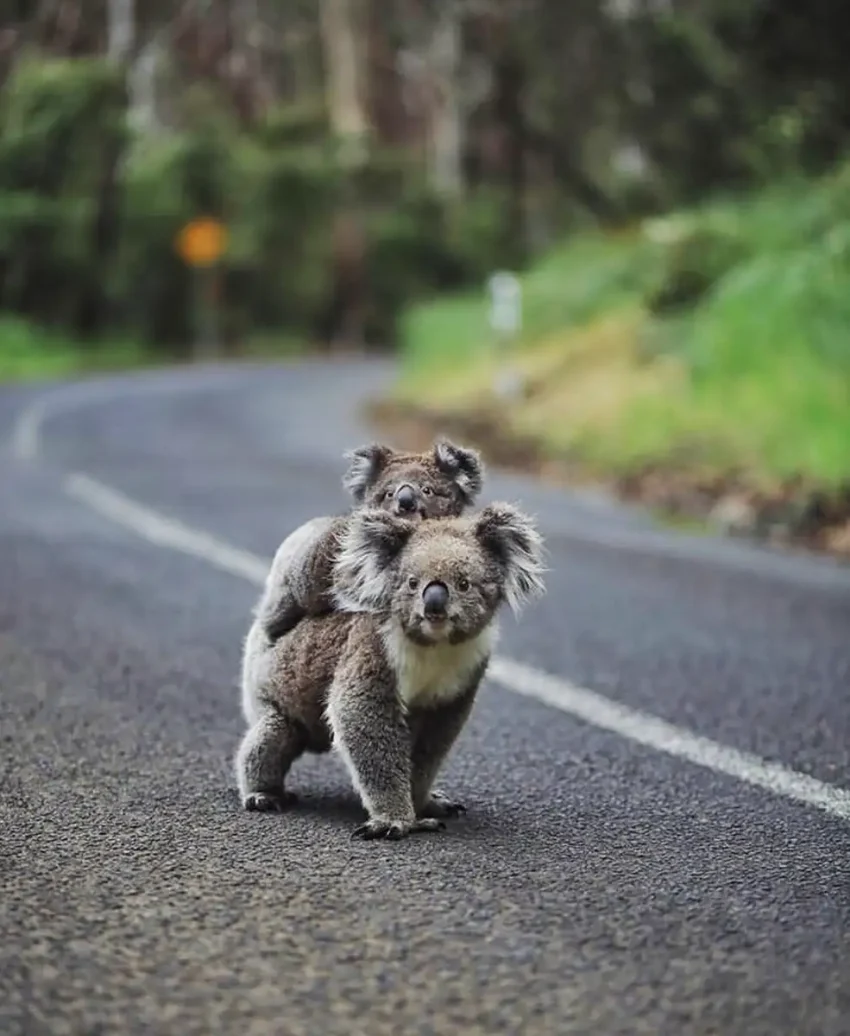
Why do people still pull up in the middle of the road for koalas? Its because that split-second decision just takes over – and a lot of drivers don’t even realise just how dodgy that split second decision is until almost the very end – and by then its too late – I’ve seen it all over the place from a laid back drive along the Great Ocean Road from Melbourne, right down to really tight bush tracks where there’s no shoulder and no where to pull over.
I’m Paul, and I’ve been driving tourists around for years – and I can tell you straight up – it’s not the koala that’s the issue – it’s how we react to it. People are all for a good cause, but they constantly underestimate just how fast you can get up to in your car, how far away anything is and just how fast things can all go wrong.
Contents
- 1 The Split-Second Decision That Causes Trouble
- 2 What People Get Wrong About Encounters
- 3 Where This Happens Most
- 4 Why Koalas Are Stuck on the Road
- 5 The Reality of Road Risk (and Why it Can Build Up Fast)
- 6 A Situation That Still Makes Me Think
- 7 Handling a Koala Encounter Safely
- 8 When a Koala Needs Help
- 9 What’s Being Done to Reduce These Incidents
- 10 Timing Matters More Than You Think
- 11 Who This Kind Of Driving Is Really For
- 12 A Quick Reality Check Before You Hit The Road
- 13 The Bigger Picture: Getting Along With The Wildlife
- 14 Final Thoughts From Behind The Wheel
- 15 FAQ
- 15.1 Are There Any Hotspots Where Koalas Are More Likely To Cross?
- 15.2 Why Don’t Koalas Ever Run Away When Cars Are Coming?
- 15.3 Do Wildlife Crossings and Underpasses Really Work?
- 15.4 What Time Of Day Should I avoid if I’m Driving Through Koala Country?
- 15.5 Is It Better To Join A Tour Instead Of Driving Yourself?
The Split-Second Decision That Causes Trouble
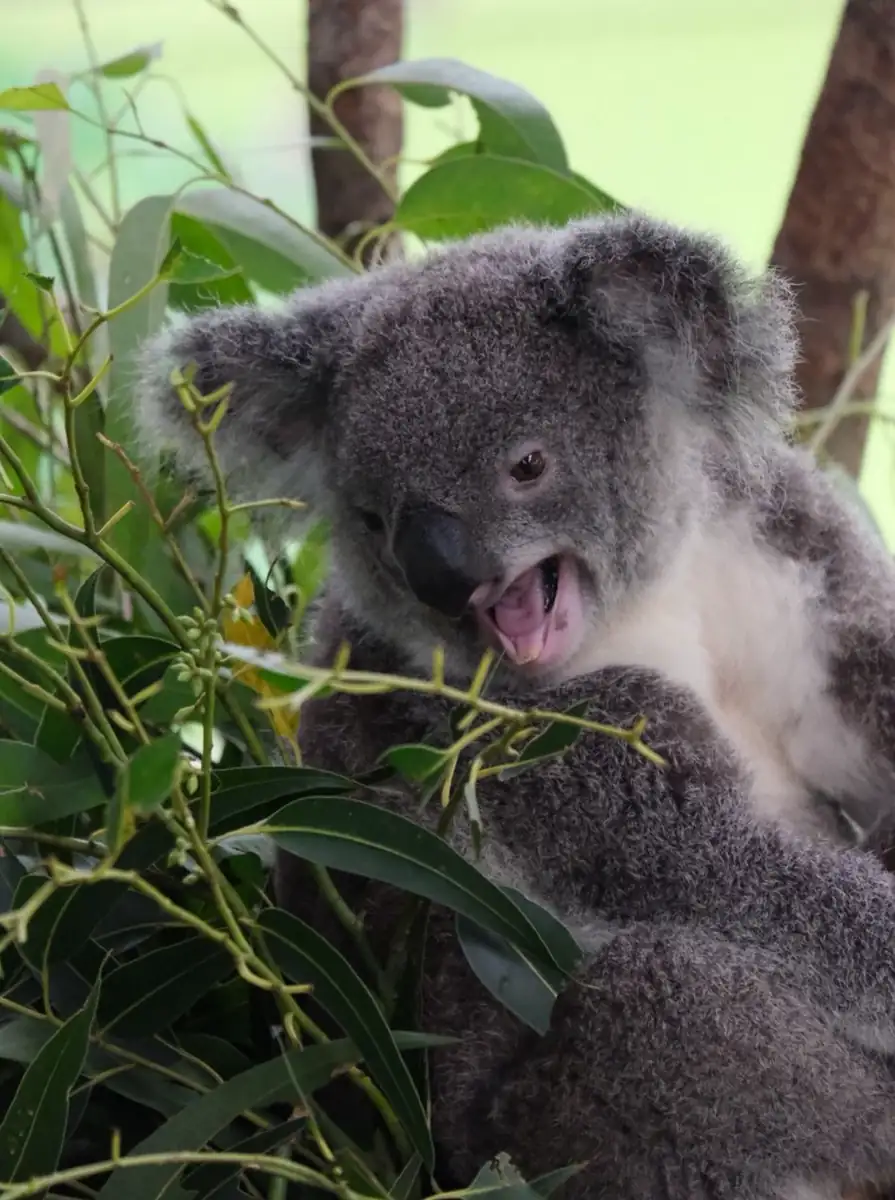
You’ll know what I’m talking about if you’ve driven anywhere near koala country. A grey shape wanders out near the road, maybe clambering down from a eucalyptus tree, maybe just ambling along like it’s the boss. Your brain says, “Stop the car now, or you’ll miss it”.
And that’s where things start to go wrong.
Koalas just don’t have the same ‘oh no it’s about to jump out and knock me over’ impetus that you get from a kangaroo. There’s no sudden jump out – just a slow and steady plod that makes people think “ah, I’ll just stop for a sec” or “I’ll just grab my phone and take a snap”.
What usually gets people is this: they forget that other people are on the road too.
I once saw a driver on a Great Ocean Road day tour from Melbourne stop in the middle of the lane just after a blind bend. They were so focused on the koala… the car behind them was so focused on not crashing that it was a wonder nobody got hurt.
Those two things don’t mix.
What People Get Wrong About Encounters
Now here’s the thing that glossy travel guides never tell you: those koala sightings aren’t as peaceful as they look.
People tend to think
- Oh, the road will be quiet enough to just pull over for a second
- Everyone else will be just as laid back about it
- The koala will just keep on going
But in reality, none of that is always true.
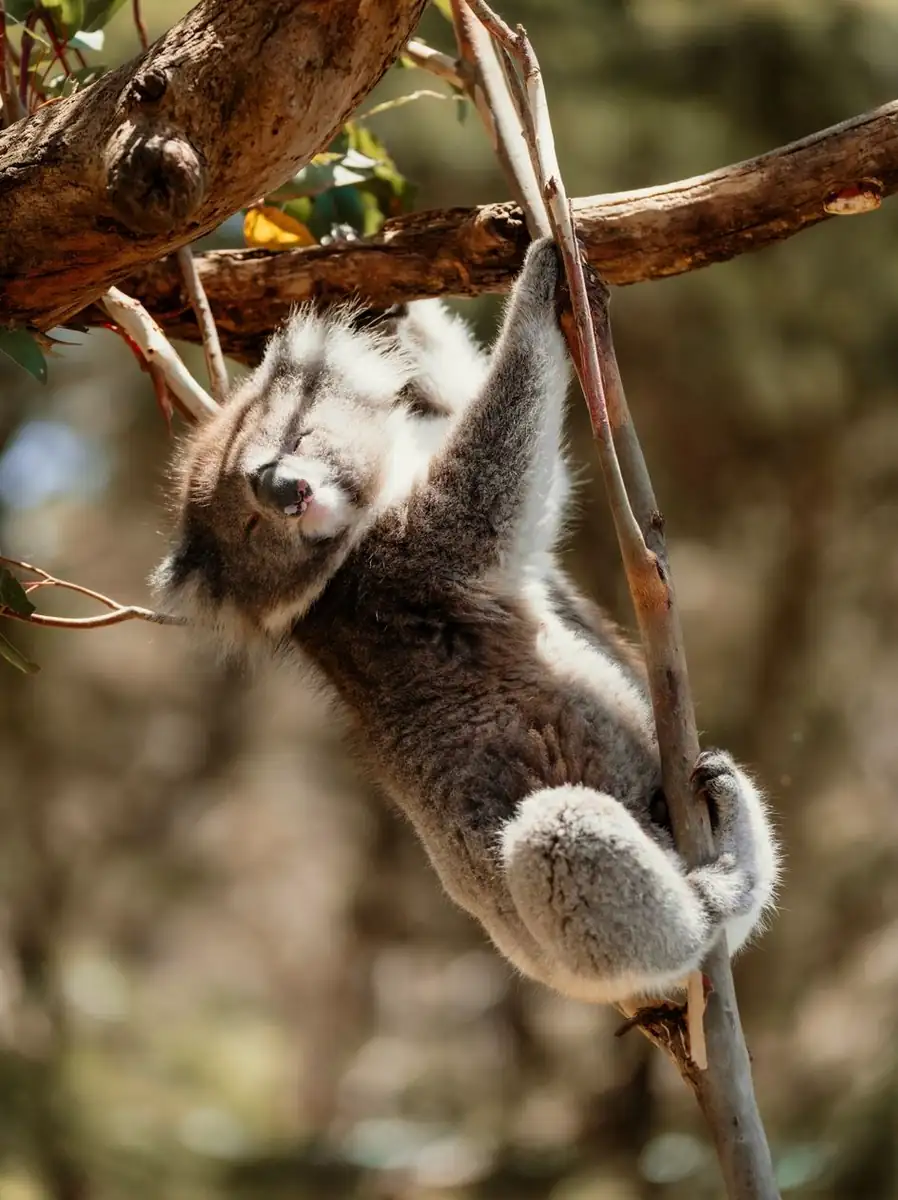
Koalas can go a bit pear-shaped if they get stressed – especially if they stumble on all the normal sounds that come with roads like engines roaring, doors slamming, or kids making a racket. They don’t tend to leg it, they freeze – and that pause is what’s usually the source of all the trouble.
Add in some dodgy driver visibility on those windy coastal roads, and before you know it, you’ve got a situation where someone’s stopped in the middle of the road and the next thing you know – someone else is going to nearly have a crash.
Where This Happens Most
If you’re heading out on a Great Ocean Road tour, especially between Lorne and Apollo Bay, you’re right slap bang in the middle of everything. That stretch is prime koala country – and also one of the most misunderstood driving environments in Australia.
Getting there is a doddle. It’s what happens when you get there that people tend to get wrong.
- From Melbourne, it takes around 90 minutes to hit the start of the coastal drive – longer if you’re travelling in peak periods
- The roads get pretty tight pretty quickly – lots of sharp bends and limited places to pass another car
- Average speeds tend to plummet below the posted speed limits – especially when there’s a lot of traffic
Parking is where people normally get caught out – but it’s not that hard to get it right. Just use the designated pull-over bays – and if you can’t reach one safely, just keep going. That’s it.
On a rushed one-day trip down the Great Ocean Road, people feel like they need to stop at every single sight – that’s when mistakes start to happen.
Why Koalas Are Stuck on the Road
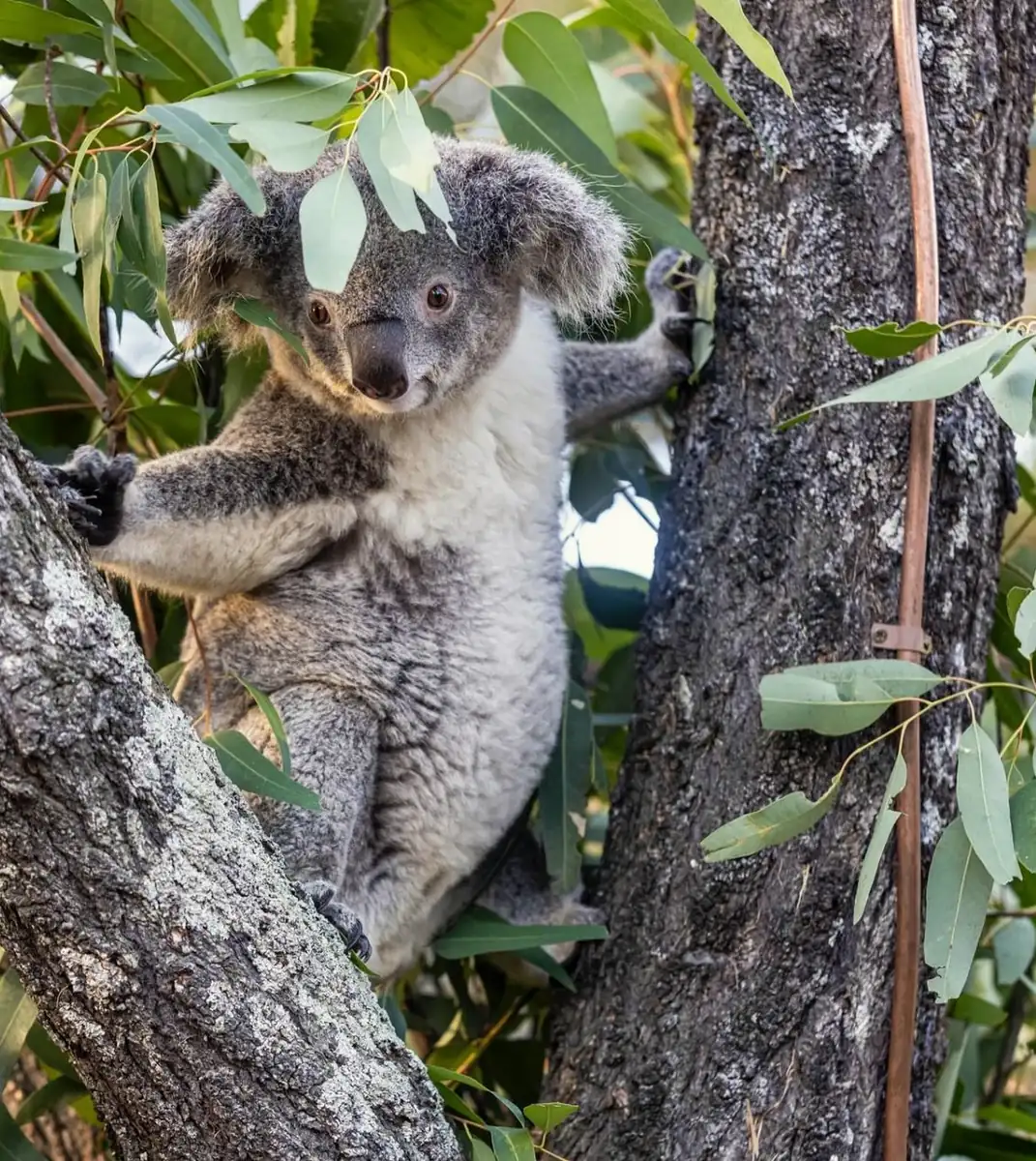
Now, koalas aren’t just wandering out onto the roads for a bit of a look around. They’ve got to cross the road.
Across Australia, natural bushland is being carved up by habitat loss and fragmentation. Roads now cut right through what used to be natural movement corridors for koalas – so they have to navigate between their feeding and breeding areas.
When it’s breeding season, particularly when the male koalas are moving around more, you get more crossings. Add to that climate change, urban expansion, and even disturbances like noisy dogs, and you get more and more koalas on the road.
That’s why places like NSW have introduced measures under the NSW Koala Strategy. It’s not because koalas have changed their behaviour – it’s because the world around them has.
The Reality of Road Risk (and Why it Can Build Up Fast)
Let’s cut to the chase. Stopping in the middle of an active road is a recipe for disaster. Full stop.
In koala zones, it’s even worse because:
- Drivers don’t expect cars to stop suddenly
- Roads often have blind corners
- Tourists aren’t used to the conditions
And then you get the classic scenario: one car stops, another driver has to slam on the brakes, and a third car swerves out of the way. That’s how near misses turn into a car smashing into another car, or, even worse, into cases involving multiple vehicles.
And the sad thing is – the koala is usually the one that gets hurt the most. They’re stressed, confused, and stuck right in the middle of all the chaos.
A Situation That Still Makes Me Think
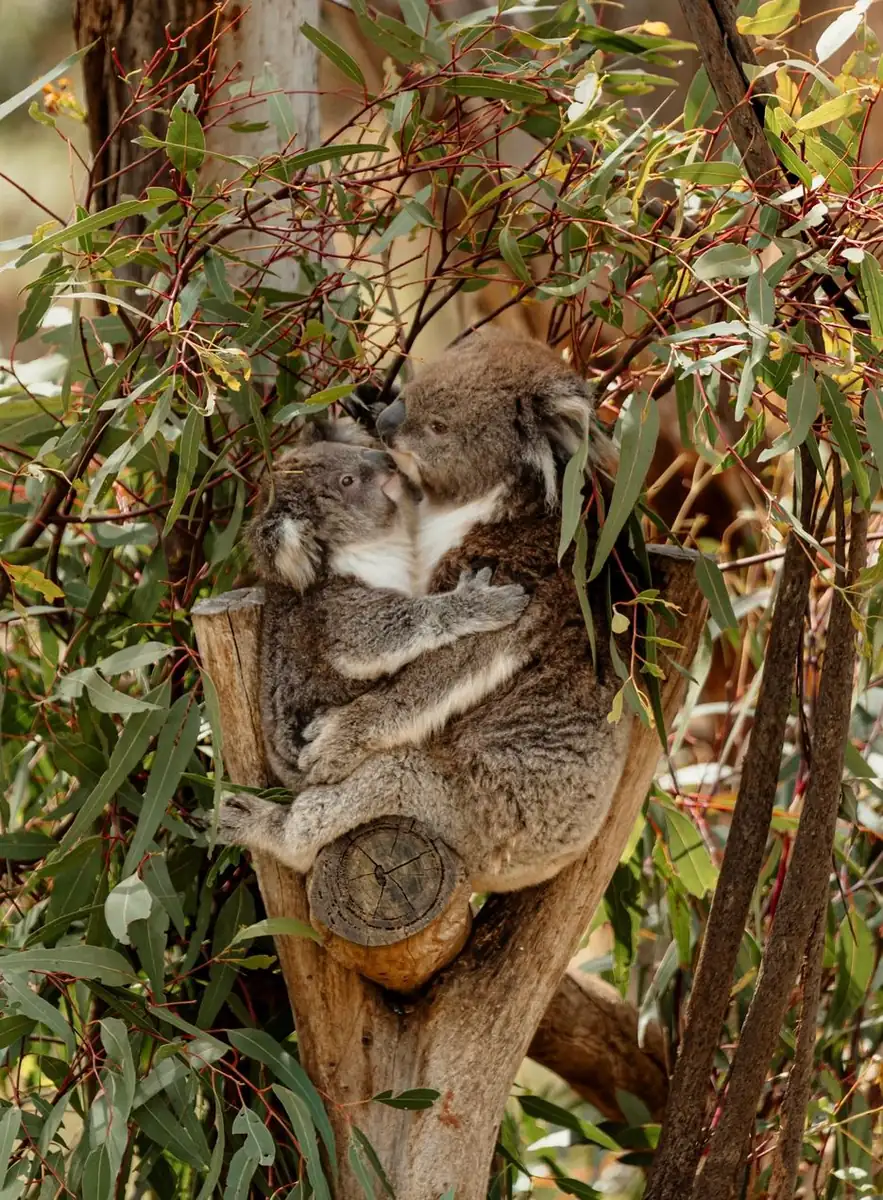
We were running a Great Ocean Road tour from Melbourne, mid-afternoon, with light traffic. A koala started crossing near one of the areas known for vehicle strikes.
One car stopped – fair enough. But they stopped right in the middle of the lane.
A second car came around the bend and had to slam on the brakes. A third car swerved onto the gravel.
Luckily, no one crashed. Just dust, noise, and a very still koala in the middle of it all.
That stillness? That’s stress. That’s how animals react when they’re overwhelmed – they freeze.
Moments like that stick with you because they show just how quickly it can all go wrong.
Handling a Koala Encounter Safely
There’s a better way to handle this situation – and it won’t spoil the experience at all. On the contrary, it’ll actually make the whole thing more enjoyable.
Ease off the accelerator a tad earlier than you might think, check your mirrors, and if there’s any space ahead, keep going until you find a safe spot to pull over. If you really need to, slap on the hazard lights while you do it. Just keep your wits about you and stay in control.
Stopping the second you spot a koala isn’t the goal – it’s about stopping safely, or not having to stop at all.
If you can’t get completely off the road, don’t even bother stopping. That’s the rule, plain and simple.
When a Koala Needs Help
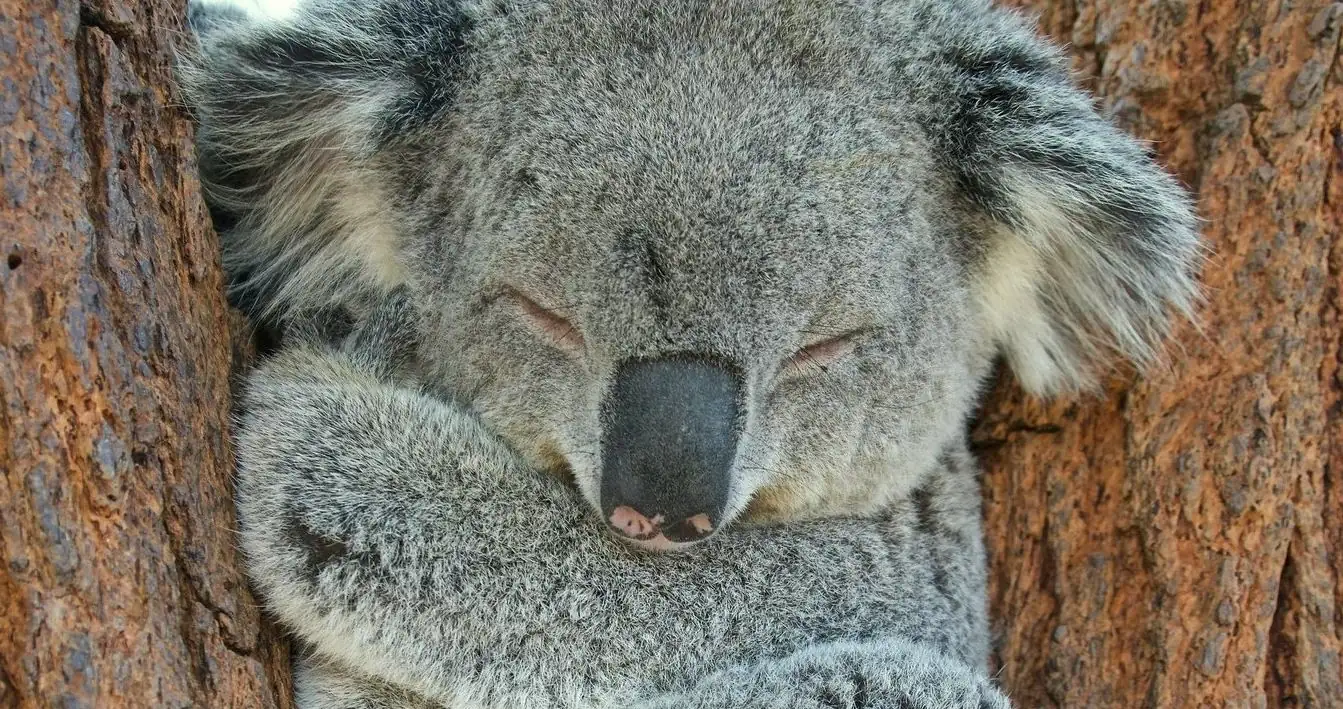
Every now and then, you’ll come across a koala that’s in a spot of trouble. Maybe it’s been knocked off course by a vehicle, or it’s hurt or just plain disoriented.
Now’s the time when a lot of people start to panic – and they usually make things worse in the process
Koalas can get pretty feisty when they’re stressed – don’t be fooled by how cute they look, they’re not toys to be messed with.
If you do need to act:
Pull over safely, keep your distance and give the hotline a call – or the local emergency number if that’s what’s needed. Every state has its own team of trained wildlife carers who know exactly what they’re doing. Just let them get on with it.
What’s Being Done to Reduce These Incidents
There’s actually a whole lot going on behind the scenes to reduce the severity of these incidents and keep the koala population safe.
Some of the things you might see include:
- Wildlife crossings and koala underpass systems that help guide the little guys across the road
- Fauna fencing and wildlife fencing that keeps them moving in the right direction
- Specialised designs like box culvert tunnels and koala grid crossings make it a lot easier for them to get where they’re going
- Vehicle-activated signs that warn drivers in real time – you know, when it’s a good idea to slow down a bit
None of these is just random add-ons – no, they’re all based on the data from the most frequent hotspots and the areas where the koalas tend to migrate to.
Now, here’s the thing: while all this infrastructure does help, driver behaviour is still the most critical factor.
Timing Matters More Than You Think
If you’re planning a Great Ocean Road trip, timing can either make or break your experience – honestly.
Koalas are at their most active in the early morning and late afternoon, which just happens to be when visibility drops and your reaction time is a bit slower.
During mating season, the whole lot gets a bit more active again – you’ll see more of them crossing the road, especially in quieter areas.
When it gets hot, koalas tend to shift their activity to cooler parts of the day – and if it’s rainy, they can get a bit restless too, relocating between trees.
So what’s the best time to drive? Well, mid-morning to early afternoon is your safest bet.
Who This Kind Of Driving Is Really For
Let’s get real here – not everyone is cut out to tackle these roads.
If you’re one of the calm, patient and switched-on types youll be just fine.
But if you’re in a hurry, still getting used to driving on the left, or have a nasty habit of getting sidetracked by all the wildlife, then it’s a whole different ball park.
That’s probably why so many travellers choose to take a guided Great Ocean Road tour from Melbourne – someone else takes care of the driving, and you can just focus on enjoying the view.
A Quick Reality Check Before You Hit The Road
Before you set off, take a moment to get your head around a few basic truths:
- seeing a koala isn’t enough of a reason to take your eyes off the road
- there will be plenty more chances to stop and take in the view
- taking a safe break is way more important than getting the perfect shot
If you can keep that in mind, it can actually change your whole attitude to driving
The Bigger Picture: Getting Along With The Wildlife
Koalas are just one of many native animals that are trying to make their way in a world that hasn’t always been good for them
Between the growth of towns, farming and climate change, animals are having to adapt to a new landscape – and the road is part of that landscape.
So we have to adapt too – and find a way to live with it.
Final Thoughts From Behind The Wheel
Somehow, stopping to let a koala cross the road just feels like the right thing to do. But down here in Aussie, where wildlife encounters are a fact of life, instinct alone isn’t going to be enough to keep you and the locals safe. Being aware, staying switched on, and taking your time – that’s what you need to do.
To avoid a close call that’ll linger in your memory for a while, slow down a bit earlier than you think you need to. Keep your driving consistent and easy to read. And when you do need to stop, either pull over or don’t brake in the first place.
If you’re doing the Great Ocean Road trip from Melbourne, give yourself a break and don’t rush things. Stay patient and drive like you know an animal might step out in front of you – because you should – actually, everyone should.
FAQ
Are There Any Hotspots Where Koalas Are More Likely To Cross?
Yeah, definitely – especially in areas where there are known koala crossings and vehicle strike hotspots. These are usually around the edges of the bush or along the coast.
Why Don’t Koalas Ever Run Away When Cars Are Coming?
Because they’re not very good at running, especially when they’re feeling stressed, which causes them to freeze on the spot instead of making a dash for it.
Do Wildlife Crossings and Underpasses Really Work?
Yeah, they do. Fauna fences, koala underpasses and the like do a great job of reducing the number of incidents – but don’t forget, it’s still you who needs to be on the lookout.
What Time Of Day Should I avoid if I’m Driving Through Koala Country?
If you can possibly avoid it, try to steer clear of dawn and dusk – those are the times when the koalas are on the move, and visibility is at its worst.
Is It Better To Join A Tour Instead Of Driving Yourself?
For many travellers, the answer is yes. Taking a guided tour from Melbourne gives you the chance to get some good views of the wildlife without having to worry about navigating – so yeah, it’s probably safer.