
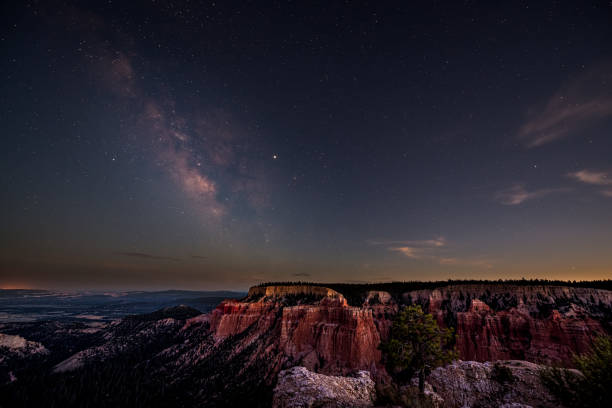
Australia is renowned for its stunning landscapes and pristine wilderness, but what truly captivates are its dark sky destinations, where stargazing becomes an otherworldly experience. These locations offer breathtaking views of the night sky, unhindered by artificial light pollution, making them ideal for both amateur astronomers and casual stargazers. In this article, we will explore some of Australia’s most breathtaking spots for stargazing, revealing the best places to enjoy the twinkling cosmos above.
Contents
- 1 1. Outback Queensland
- 2 2. Uluru-Kata Tjuta National Park
- 3 3. The Australian Alpine Region
- 4 5. Margaret River
- 5 Conclusion
- 6 FAQs
- 6.1 1. What are the best months for stargazing in Australia?
- 6.2 2. Are there any guided stargazing tours available in these locations?
- 6.3 3. Do I need special equipment to enjoy stargazing?
- 6.4 4. Is it safe to stargaze in remote areas?
- 6.5 5. Can you see the Southern Cross from all stargazing spots in Australia?
1. Outback Queensland
Outback Queensland is a vast expanse of rugged terrain and stunning natural beauty, perfect for those looking to escape the bustling cities to immerse themselves in the stars. The isolation from urban areas means this region has some of the darkest skies in Australia, ideal for viewing the Milky Way in all its glory. Popular spots like the Charleville Cosmos Centre provide fantastic stargazing experiences, including telescope viewings and informative astronomy talks. With its inventive blend of pioneer history and astronomy, Outback Queensland offers a unique setting that captures the imagination of visitors. The dry weather also enhances visibility, allowing for clearer celestial views, especially during winter months.
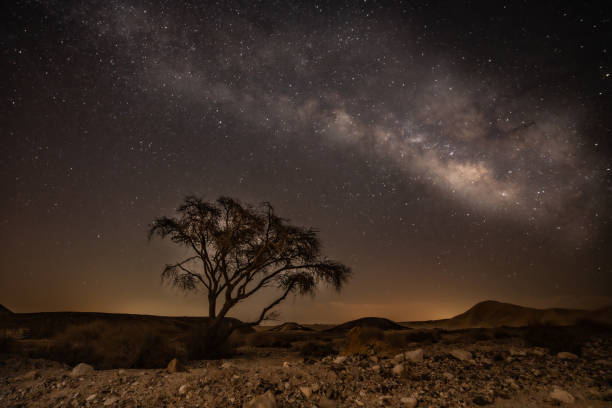
2. Uluru-Kata Tjuta National Park
The iconic Uluru, with its astounding cultural significance to the indigenous Anangu people, takes on an ethereal quality at night. Surrounded by the stark beauty of the desert, the unpolluted skies reveal a stunning celestial canvas filled with constellations and shooting stars. Various tours offer guided nocturnal experiences, highlighting celestial events and the cultural stories behind the constellations. Visitors can indulge in a ‘Sounds of Silence’ dinner under the stars, where gourmet dining meets the grandeur of the Australian night. Uluru not only provides an unforgettable experience but also invites a greater appreciation for the ancient tales woven into the starry expanse above.
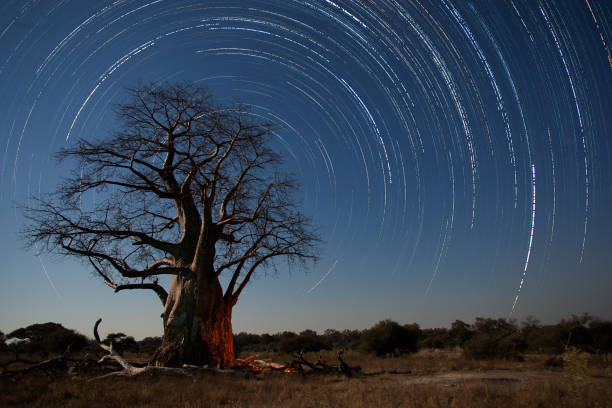
3. The Australian Alpine Region
The Australian Alpine Region, particularly locations like Kosciuszko National Park, transitions into a breathtaking stargazing haven as night falls. The altitude and cool temperatures often result in crystal-clear skies, providing wonderful clarity for viewing stars and planets. The park offers dedicated stargazing trails and annual astronomy festivals that celebrate the wonders of the night sky. Visitors can hike during the day and return to camp under the stars, creating an intimate experience with nature. With proper planning and the right equipment, one can enjoy an exceptional view of celestial phenomena, including meteor showers and planetary alignments.
4. Dark Sky Reserves
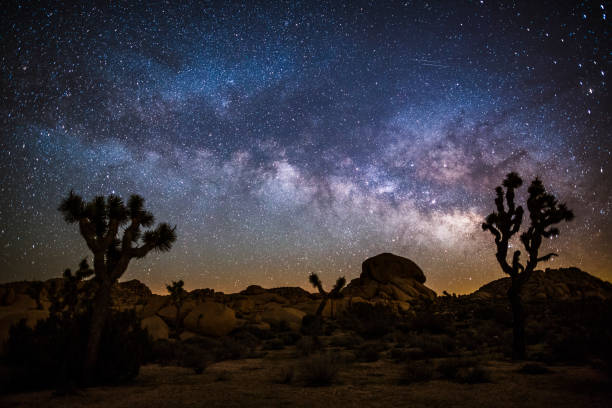
Australia boasts several designated Dark Sky Reserves, areas specifically protected for their exceptional starry experiences. The Warrumbungle National Park in New South Wales is the first Australian park to be awarded Dark Sky status, providing an unmatched canvas of stars set against rugged mountains. Within these reserves, light pollution is kept to a minimum, facilitating an authentic connection with the cosmos. Introduced activities, ranging from nighttime photography workshops to lunar observation events, are often available, enriching the visitor experience. Other notable Dark Sky Reserves include the Dark Sky Park in Tasmania and the Strzelecki Ranges, both known for their unrivaled stargazing opportunities.
5. Margaret River
Margaret River, known for its fine wine and stunning coastal landscapes, surprises many with its remarkable stargazing opportunities. The region’s rural setting provides a perfect backdrop for clear, unspoiled views of the Milky Way. Visitors can join stargazing tours that take them to optimal viewing points across beaches or vineyards, adding a unique twist to the experience. During specific seasons, guided night tours reveal celestial events and constellations that are less visible in urban areas. The combination of the natural beauty of the vineyards and the awe-inspiring night sky makes Margaret River an unforgettable destination for those wishing to connect with the universe.
Conclusion
Stargazing in Australia is an unparalleled experience that allows both locals and visitors to connect deeply with the cosmos. From the rugged outback and significant cultural landmarks to breathtaking alpine regions and protected dark sky reserves, Australia is truly a haven for avid stargazers. Each destination offers its unique narrative and celestial display that elevates the simple act of looking up into the night sky. By planning visits to these remarkable locations, you can enrich your understanding of the universe while enjoying the breathtaking beauty that Australia has to offer.
FAQs
1. What are the best months for stargazing in Australia?
The best months for stargazing in Australia are typically from April to September when the nights are longer and skies are clearer.
2. Are there any guided stargazing tours available in these locations?
Yes, many of the destinations mentioned offer guided stargazing tours, including equipment rentals and expert guidance.
3. Do I need special equipment to enjoy stargazing?
While a telescope can enhance your experience, binoculars or even your own eyes can provide a wonderful view of the stars and constellations.
4. Is it safe to stargaze in remote areas?
Yes, it is generally safe. However, it’s advisable to travel with a companion and inform others of your whereabouts for safety.
5. Can you see the Southern Cross from all stargazing spots in Australia?
Yes, the Southern Cross is visible from all areas of Australia, but the best views are found in areas with minimal light pollution.